State Lines: The 35 Senate and 36 Governor Races Defining 2026
From Alaska to Wisconsin, voters decide key state leadership and federal seats in a fiercely contested midterm landscape.
By Sanjay Ivanov ·
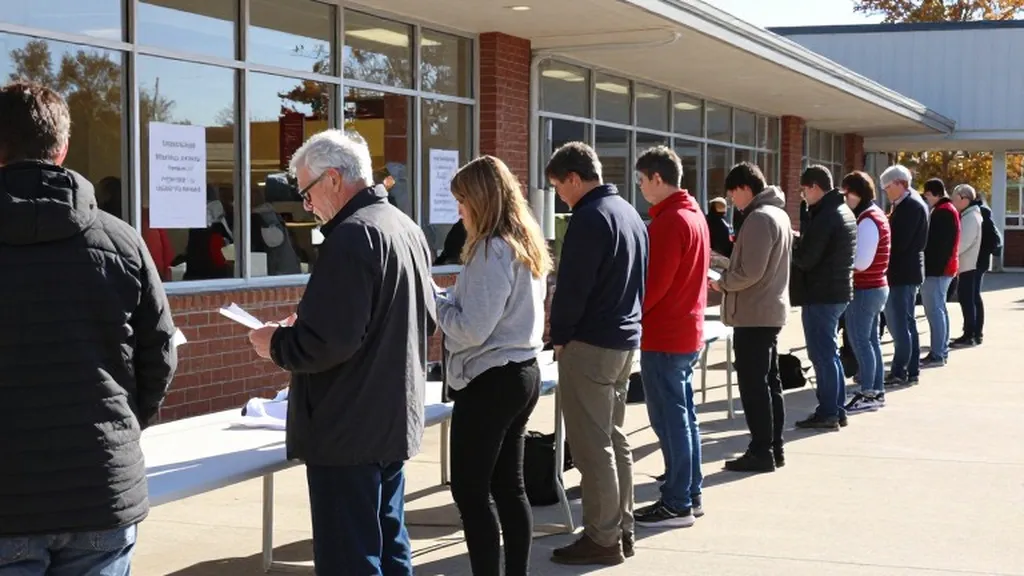
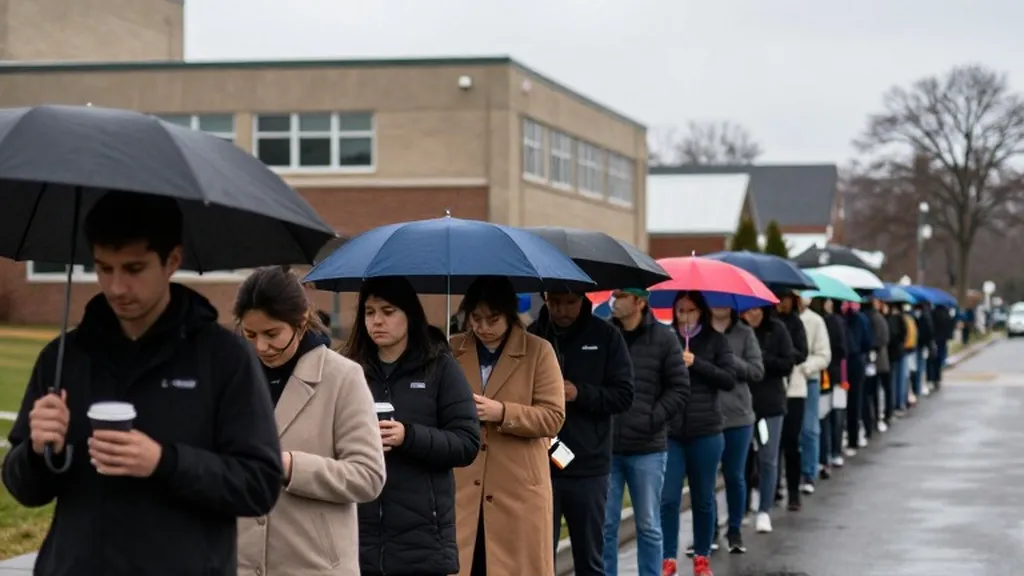
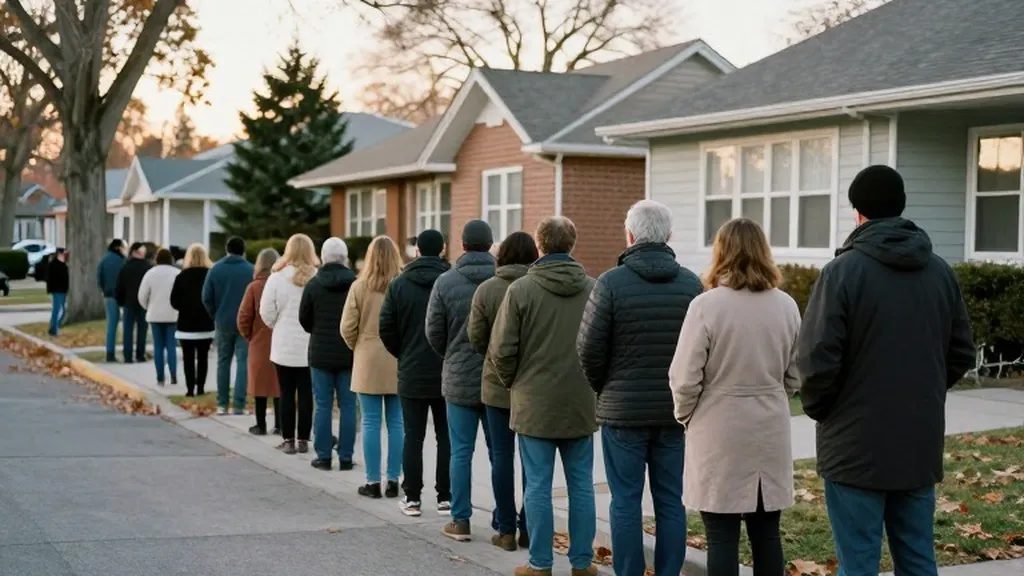
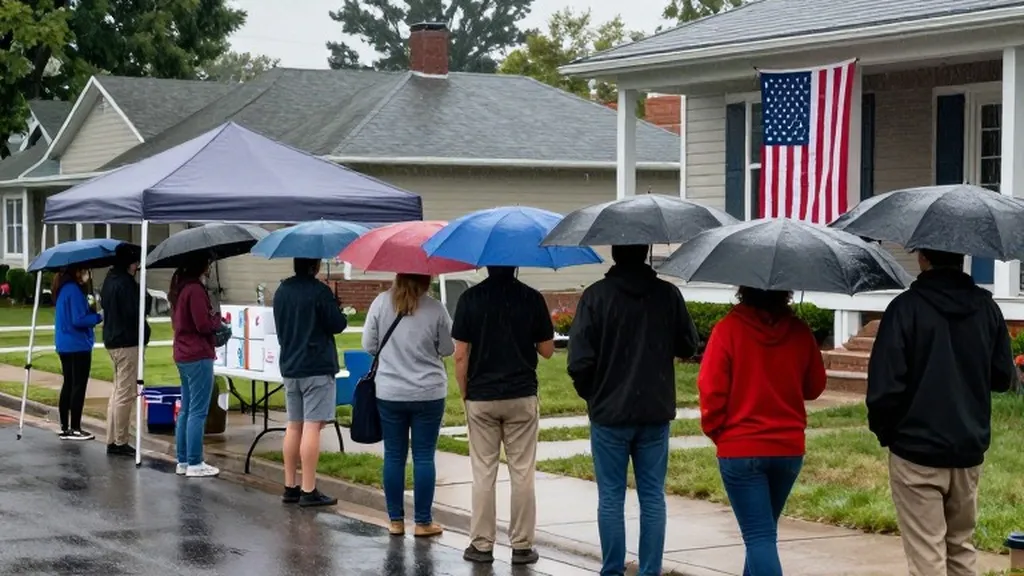
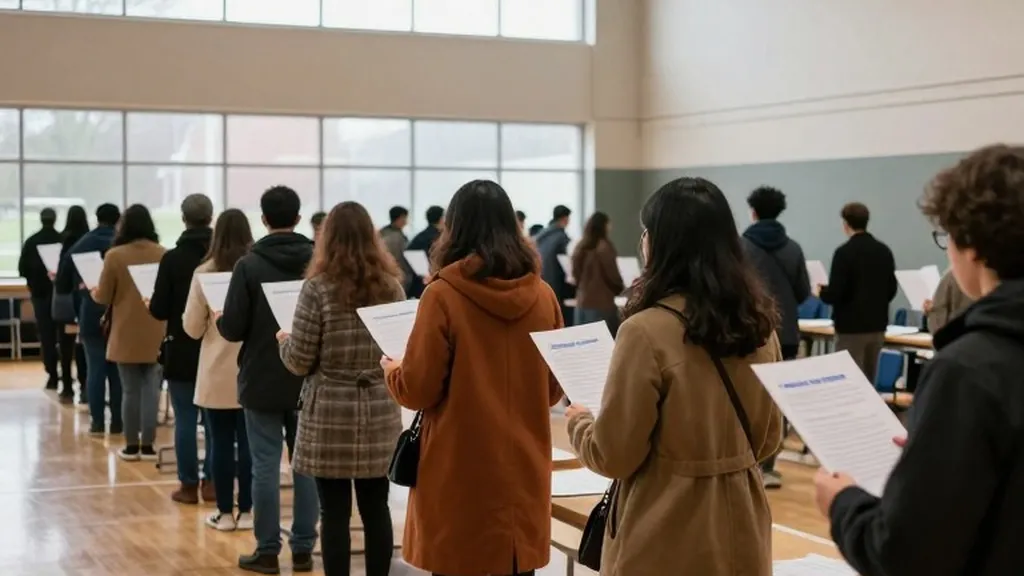
Voters across the nation are casting ballots on Tuesday, November 3, 2026, to decide the fate of thirty-five Senate seats and thirty-six governorships. According to Ballotpedia, these races will determine which party controls the chambers of Congress for the final two years of President Donald Trump's second term. The stakes are high, with Democrats needing a net gain of four Senate seats to secure a majority while Republicans can afford to lose only two. In the governorship races, Democrats would need a net gain of two offices to achieve a nationwide majority for the first time since 2010. The outcome of these state-level contests will shape the legislative agenda and the political landscape for the coming years.
The Associated Press describes the election as a referendum on the president's performance, with many voters expressing frustration over high prices and an unpopular war with Iran. AP-NORC polling indicates that only 35% of U.S. adults approve of Trump's job performance, while about seven in ten believe the country is heading in the wrong direction. Despite these headwinds, more than 57 million people had already voted as of Monday, surpassing early vote totals from four years ago in many closely watched states. This high level of early participation suggests a deeply engaged electorate, with both parties bracing for a tight contest. Republicans are fighting to hold the Senate, while Democrats are cautiously optimistic about their chances in the House and key state races.
In the Senate, thirteen races are considered battlegrounds, including contests in Alaska, Florida, Georgia, Iowa, Kansas, Maine, Michigan, Montana, Nebraska, New Hampshire, North Carolina, Ohio, and Texas. Ballotpedia notes that these races are heavily influenced by the 2024 presidential margins. For example, Maine is rated a toss-up by all four major political analysts, while Iowa is seen as a toss-up or lean Republican. The AP highlights specific matchups, such as former Georgia Governor Roy Cooper against former Republican National Committee chair Michael Whatley in North Carolina. In Georgia, incumbent Senator Jon Ossoff faces Republican Representative Mike Collins. These races are critical because they determine the balance of power in the upper chamber, where a simple majority is required to pass legislation.
The governor races present a similarly complex picture, with nineteen of the thirty-six contests lacking an incumbent on the ballot. According to Ballotpedia, fifteen governors are term-limited, while others like Iowa's Kim Reynolds and Wisconsin's Tony Evers chose not to run. The AP identifies Georgia, Nevada, and Ohio as key governor battles. In Georgia, Republican health care executive Rick Jackson is challenging Democratic former Atlanta Mayor Keisha Lance Bottoms to succeed Brian Kemp. In Nevada, Republican Governor Joe Lombardo faces Democratic Attorney General Aaron Ford. These races are significant because governors hold substantial influence over state budgets, education, and infrastructure projects. The outcome will also affect the ability of each party to implement its policy priorities at the state level.
Voters in several states are using new congressional maps drawn after mid-decade redistricting. These states include California, Florida, Missouri, North Carolina, Tennessee, and Texas, along with Ohio. The AP notes that while Republicans hoped these new maps would help them retain seats, some districts may not vote as predicted. In Texas, Republican Attorney General Ken Paxton is running for the Senate seat vacated by John Cornyn, who chose not to seek re-election. Trump backed Paxton in the primary, signaling his support for candidates who align with his agenda. However, many Republican candidates have kept their distance from the president, reflecting a broader trend of party members seeking to differentiate themselves from Trump's leadership.
The cost of the 2026 elections is expected to be the highest in history, with Republican committees outraising and outspending Democratic committees at the national level. This spending surge was driven by Trump-affiliated groups and contributions from Elon Musk. However, at the candidate level, Democrats managed to outraise their opponents. The AP's analysis of AdImpact data shows that 88.1% of Republican general election TV ad spending went to states and districts that Trump won in 2024. This strategic focus suggests that Republicans are prioritizing their defense of key states, while Democrats are investing in competitive districts where they hope to make gains. The financial resources of both parties will play a crucial role in shaping the final outcome of the election.
Election administration has been a point of contention, with federal judges temporarily barring the Trump administration from implementing plans to prevent noncitizen voting. Critics argue that these measures risk disenfranchising eligible voters and infringe on states' authority over elections. A judge ordered the administration to stop demanding that California election officials segregate ballots cast by people on lists of suspected noncitizens. The U.S. Postal Service has added hours, staff, and special lines to ensure that mail ballots are counted on time. These administrative challenges add a layer of complexity to the voting process, with both parties closely monitoring the handling of ballots to ensure fairness and accuracy.
Voters are expressing their views on the issues driving the election, with many citing high prices and healthcare costs as primary concerns. Mark Barker of Palm Beach Gardens, Florida, told the AP that he has been following Trump's lead and believes he is doing an awesome job. In contrast, James Moore, a librarian in Raleigh, North Carolina, noted that he is paying more taxes, more for healthcare, and more for everything. These personal anecdotes reflect the broader national debate over the cost of living and the direction of the country. The AP-NORC poll shows that most voters blame the president for high prices, indicating that economic issues are central to the election. The outcome will likely hinge on which party can better address these concerns in the final hours of voting.