A Practical Guide to Voting on Election Day 2026
Poll hours vary by state, and voters should verify ID requirements and check vote.gov to ensure their ballots are cast correctly.
By Daniel Bernard ·
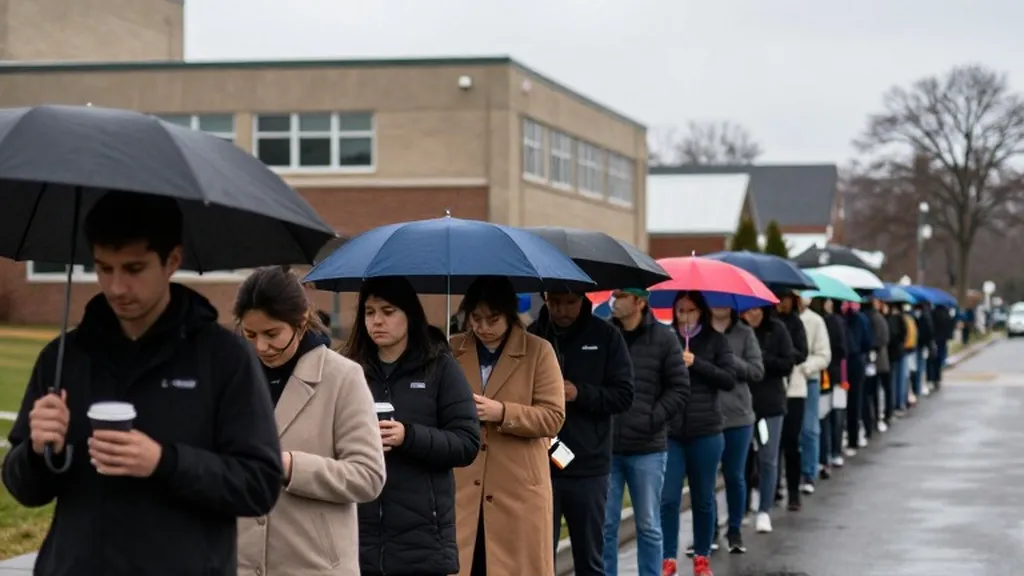
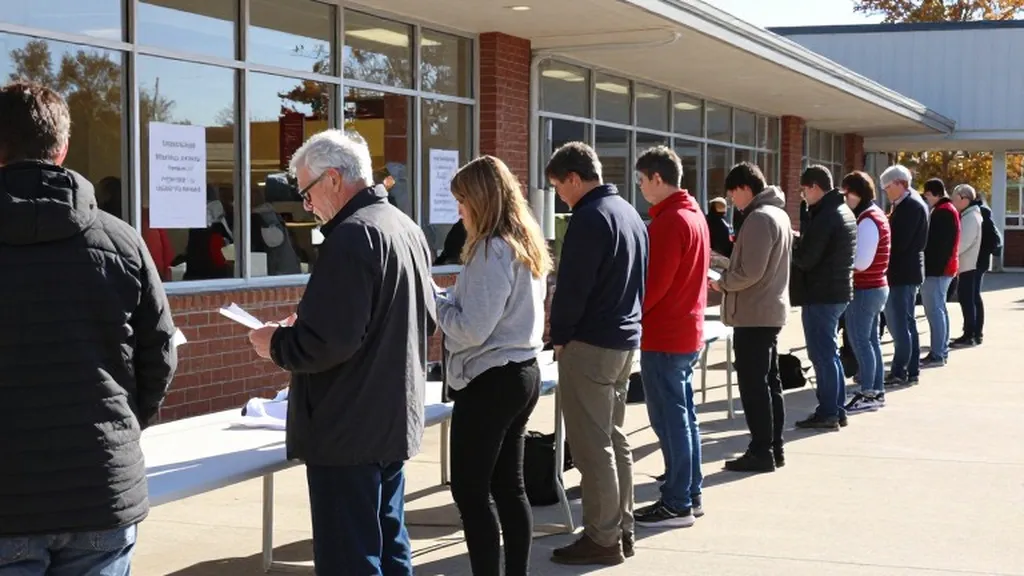
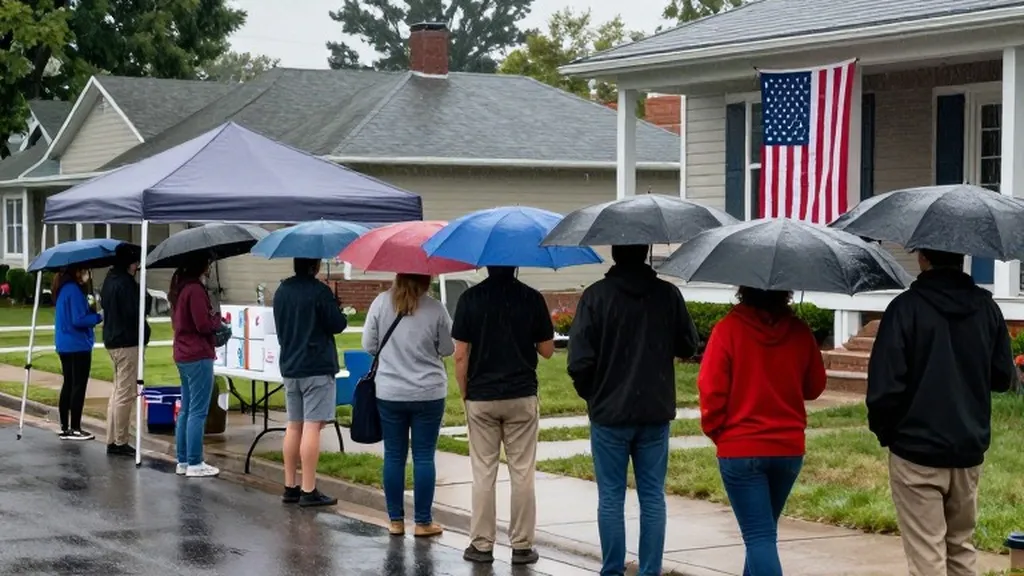
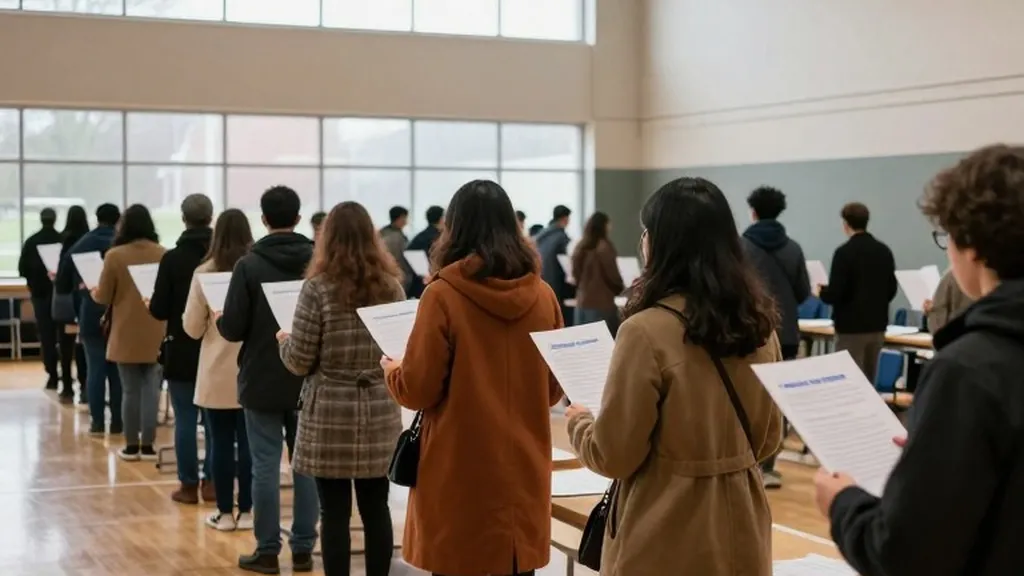
As voters head to polling places across the nation on Tuesday, November 3, 2026, the mechanics of casting a ballot remain a source of confusion for many. With all 435 seats in the U.S. House and 35 seats in the Senate up for grabs, the administrative details of voting are as critical as the political stakes. The Associated Press notes that more than 57 million people had already voted by Monday, surpassing early voting totals from four years ago in many closely watched states. However, for those voting in person today, knowing the specific rules for their state is essential to avoid being turned away or facing unnecessary delays.
The first step for any voter is to confirm their polling location and hours. According to Ballotpedia, poll hours vary significantly by state, and all times are local. In Alabama, polls are open from 7 a.m. to 7 p.m., while in Alaska, they remain open until 8 p.m. Arizona voters have until 7 p.m., and Arkansas polls close at 7:30 p.m. California and Colorado, which rely heavily on mail voting, have polls open from 7 a.m. to 7 p.m. and 7 a.m. to 7 p.m. respectively, though California polls stay open until 8 p.m. for in-person voting. Connecticut and Maine polls are open from 6 a.m. to 8 p.m., giving these states a longer window for in-person voting compared to others.
In the Midwest and South, schedules differ further. In Florida, polls are open from 7 a.m. to 7 p.m., with adjustments for Eastern and Central time zones. Georgia also operates from 7 a.m. to 7 p.m. In Hawaii, polls are open from 7 a.m. to 7 p.m., though the state is largely by mail. Idaho polls open and close at 8 a.m. and 8 p.m. Illinois and Indiana have earlier closing times, with Illinois polls closing at 7 p.m. and Indiana at 6 p.m. Iowa and Kansas polls are open from 7 a.m. to 8 p.m. and 7 a.m. to 7 p.m. Central time, respectively. Kentucky polls are open from 6 a.m. to 6 p.m., while Louisiana and New Jersey polls are open from 6 a.m. to 8 p.m.
Voters in New England and the Mid-Atlantic also face varying schedules. In New Hampshire, poll hours vary by town, but polls must be open by 11 a.m. and cannot close earlier than 7 p.m. New York polls are open from 6 a.m. to 9 p.m., providing one of the longest voting windows in the country. North Carolina and Ohio polls are open from 6:30 a.m. to 7:30 p.m. In Pennsylvania, polls are open from 7 a.m. to 8 p.m. Rhode Island and Wisconsin polls are open from 7 a.m. to 8 p.m. Texas polls are open from 7 a.m. to 7 p.m. Utah and Vermont polls are open from 7 a.m. to 8 p.m. and from 5 a.m. to 7 p.m. respectively, though both states rely heavily on mail voting. Virginia polls are open from 6 a.m. to 7 p.m., and Washington polls close at 8 p.m.
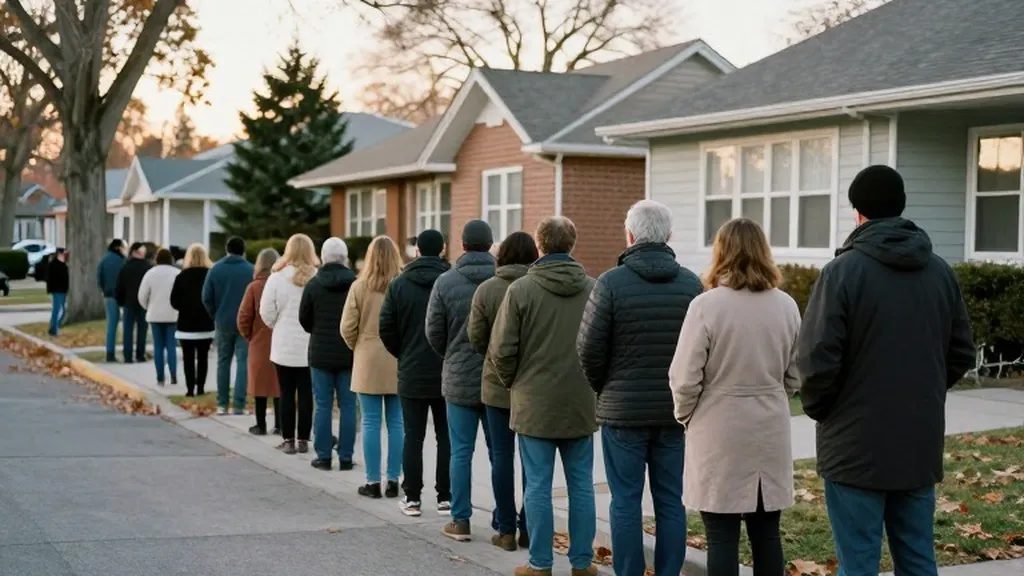
Beyond hours, identification rules vary by state, and voters are advised to check their state's specific requirements before heading to the polls. USA.gov emphasizes that anyone in line when polls close is entitled to vote, a rule that can be critical during busy election days. The U.S. Postal Service has added hours, staff, and special lines to ensure that mail ballots are counted on time, a measure that is particularly important in states like Oregon, Utah, and Washington, where mail voting is prevalent. Reuters reports that a federal judge temporarily barred the Trump administration from carrying out a plan to prevent noncitizen voting, a move that critics say risks disenfranchising eligible voters.
The mood on Election Day is charged, with the Associated Press describing the election as a referendum on President Donald Trump's second term. AP-NORC polling indicates that 35% of U.S. adults approve of Trump's job performance, while about 7 in 10 say the country is heading in the wrong direction. Republican National Committee Chairman Joe Gruters stated, "Everything depends on turnout. If we turn out our voters, we win, and that's what we've been planning for." In contrast, Democratic Congressional Campaign Committee Chair Rep. Suzan DelBene said, "The American people are angry. They want change." These statements reflect the intense focus on voter participation as a decisive factor in the outcome.
Voters are also grappling with practical concerns about the cost of living and the direction of the country. Mark Barker of Palm Beach Gardens, Florida, said, "I've just been following Trump the whole time. I really think he's doing an awesome job." On the other hand, James Moore, a 57-year-old librarian in Raleigh, North Carolina, noted, "I'm paying more taxes. I'm paying more for my healthcare. I'm paying more for everything." These personal anecdotes highlight the economic anxieties that are driving voter sentiment, with many blaming the current administration for high prices.
The stakes of this midterm election are high, with the results determining who controls Congress for the final two years of Trump's term. Democrats need a net gain of three districts in the House and four seats in the Senate to achieve a majority in both chambers. Republicans can afford to lose no more than two House seats and only two Senate seats. Ballotpedia counts 46 battleground districts in the House and 13 battleground races in the Senate, with key matchups in states like North Carolina, Georgia, and Ohio. The outcome of these races will shape the legislative agenda for the next two years, including potential investigations and oversight efforts if Democrats gain control of either chamber.