Ten Governor Races Define the Midterm Fight for State Control
Voters in key states like Georgia and Ohio are choosing between entrenched incumbents and challengers in a pivotal test of party power.
By Nikhil Petrov ·
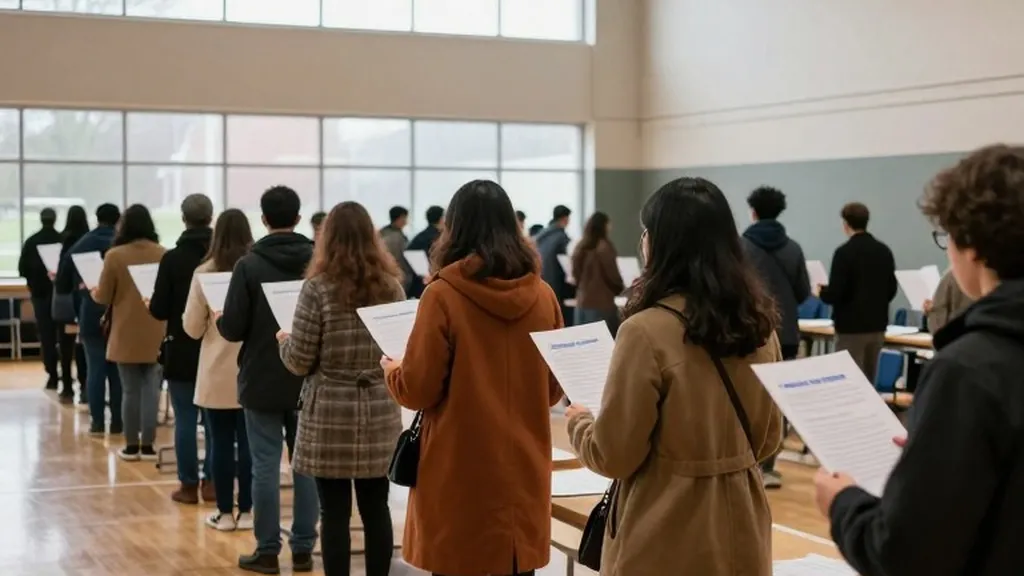
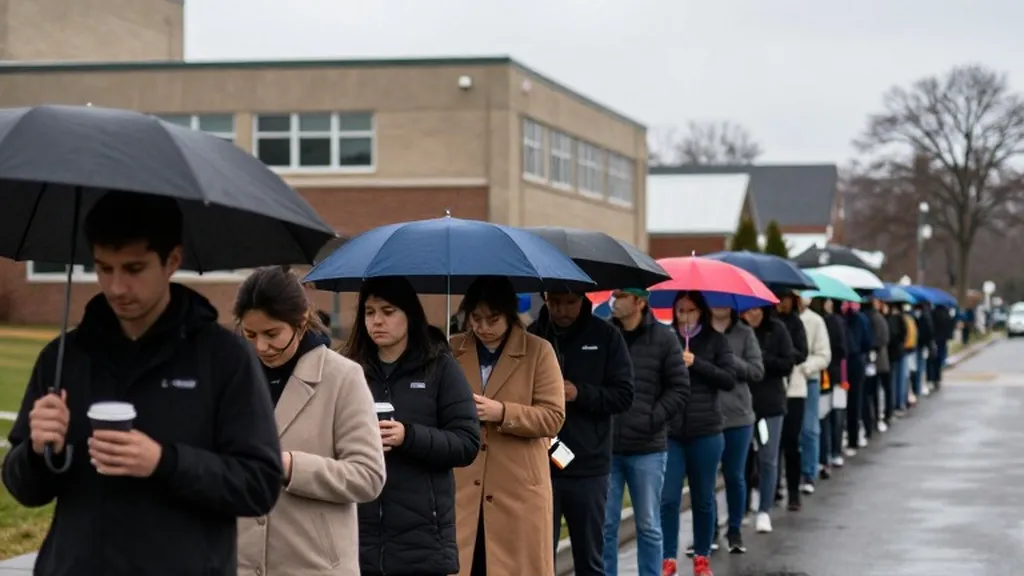
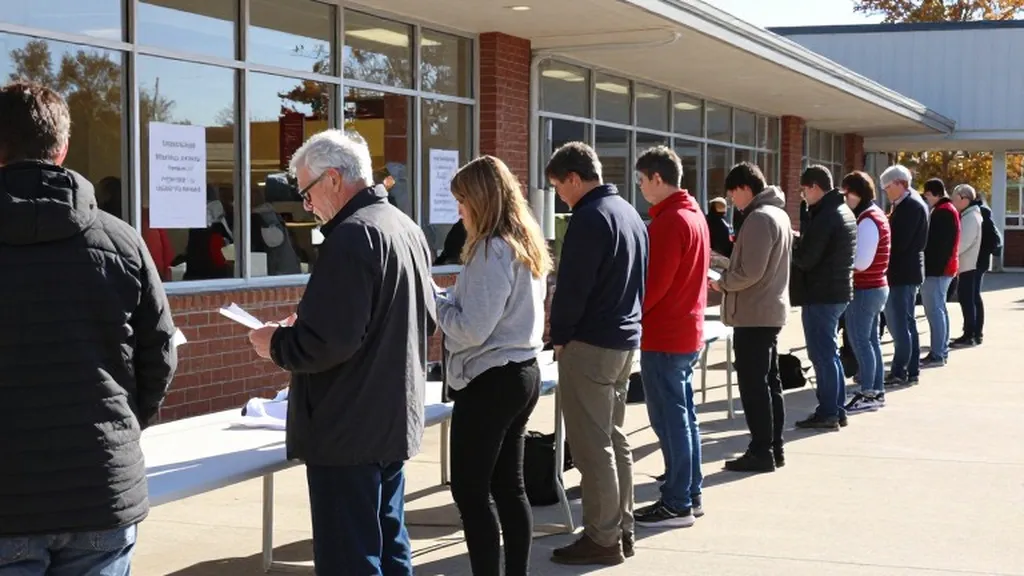
Tens of millions of Americans are heading to the polls on Tuesday, November 3, 2026, to decide who will control the statehouses and Congress in the final two years of President Donald Trump's second term. While the national spotlight often remains fixed on the White House, the governor races offer a direct measure of partisan momentum. Thirty-six governorships are on the ballot this cycle, a number that represents a significant portion of the nation's executive leadership. The Associated Press notes that these contests are being framed as a referendum on the current administration, with voters expressing concern over high prices and an unpopular war with Iran.
The political landscape for these races is defined by a delicate balance of power. Heading into Election Day, Republicans hold 26 governor's offices and Democrats hold 24. Among the specific offices on the ballot this year, each party holds 18 seats. This parity means that a small shift in results could alter the national balance. Democrats would need a net gain of two governorships to claim a nationwide majority, a milestone they have not achieved since 2010. Republicans, conversely, are focused on holding their ground in states where their candidates face tough challenges from the opposition.
In Georgia, the race pits Republican health care executive Rick Jackson against Democratic former Atlanta Mayor Keisha Lance Bottoms. Both candidates are seeking to succeed Brian Kemp, who is term-limited and not running for re-election. The Associated Press describes the state as a key battleground where voters are weighing economic concerns against partisan loyalty. The margin in the 2024 presidential election was close, with Donald Trump winning by 2.2 percentage points, making the outcome of the gubernatorial race highly competitive. Both parties have invested significant resources in this market, recognizing its symbolic and practical importance.
Nevada presents a different dynamic, with incumbent Republican Governor Joe Lombardo facing Democratic Attorney General Aaron Ford. The state is largely voting by mail, which has historically favored higher turnout and different demographic participation. The Associated Press notes that Nevada is one of the states where the outcome is closely watched, as it sits in a region where the political leanings are shifting. Voters in the state are focused on local issues such as housing and tourism, which have been impacted by national economic trends. The race is considered a bellwether for how well each party can mobilize its base in a diverse, western state.
Ohio is another critical arena, where Republican Vivek Ramaswamy is running against Democrat Amy Acton. Ramaswamy has gained national attention for his policy positions, but his campaign has faced recent backlash over an advertisement featuring Acton's estranged mother. The Associated Press highlights that this personal angle has added a layer of complexity to a race that is already intense. Ohio is also using a new congressional map after mid-decade redistricting, which has drawn scrutiny from both sides. The state voted for Donald Trump in 2024, but the margin was not overwhelming, leaving room for competitive races across the ballot.
In Arizona, Democratic Governor Katie Hobbs is defending her seat in a state that Donald Trump won in 2024. The Associated Press identifies Arizona as one of the five governorships Democrats are defending in states that leaned Republican in the presidential election. Hobbs faces a tough challenge in a state where the median voter is often considered a swing voter. The race is seen as a test for the Democratic Party's ability to hold ground in regions that have historically been more favorable to Republicans. The outcome in Phoenix and Tucson will be closely watched by national party strategists.
Michigan and Wisconsin represent the Democratic stronghold in the Midwest, where the party is looking to maintain its presence. In Michigan, the race is part of a broader effort to hold onto a state that has been increasingly competitive. The Associated Press notes that Democrats are cautiously optimistic about their chances in these states, citing strong local organizations and high voter engagement. In Wisconsin, the race is also considered a key test of the party's resilience. Both states have large urban centers that are reliably Democratic, but the surrounding suburbs and rural areas are often the deciding factors in close elections.
Pennsylvania, where Governor Josh Shapiro is seeking re-election, is another crucial race in the Democratic column. The Associated Press describes Pennsylvania as a state where the outcome could have a significant impact on the national balance of power. Shapiro is a well-known figure on the national stage, and his re-election would solidify his position as a potential leader for the party. The state has a large number of voters who are independents or leaners, making the race highly sensitive to national trends and local issues. The Associated Press notes that the party is focused on turnout, with RNC Chairman Joe Gruters stating that everything depends on turning out their voters.
Kansas is a state where the political dynamics are shifting, with the race considered a central part of the fight for control. The Associated Press notes that Kansas has become a key battleground, with both parties investing heavily in the state. The race is seen as a test of the Republican Party's ability to hold onto a state that has traditionally been solidly red. The Democratic Party is looking for opportunities to expand its base in the state, while Republicans are focused on maintaining their dominance. The outcome in Kansas will be a significant indicator of the party's strength in the Midwest.