Governor's Race: 18-18 Split, 9 Battlegrounds and 19 Open Seats
Voters decide control of 36 governorships today with a balanced partisan landscape and a high volume of open seats.
By Sanjay Ivanov ·
Voters across the country are heading to the polls on Tuesday, November 3, 2026, to decide the fate of 36 governorships in what Ballotpedia describes as a historically balanced contest. The current landscape presents a precise 18 to 18 split in the governorships up for election, with Republicans holding 18 offices and Democrats holding 18. This equilibrium means that neither party holds a preexisting advantage in the number of seats at stake, making every vote in the competitive races potentially decisive for national control of the executive branch.
The Associated Press notes that the stakes are particularly high because Democrats would need a net gain of only two governorships to seize a nationwide majority. Republicans have held the majority of governorships since 2010, so a Democratic victory in this cycle would mark a significant shift in state-level power. The outcome of these races will influence policy areas such as education, infrastructure, and economic development in the states involved, with winners assuming office for terms that vary by state constitution.
Nineteen of the 36 races are open seats, meaning no incumbent is on the ballot. According to Ballotpedia, this high number of open seats is driven by term limits and voluntary retirements. Fifteen governors are term-limited and cannot run again, while Iowa's Kim Reynolds, Minnesota's Tim Walz, and Wisconsin's Tony Evers chose not to seek reelection. Rhode Island's Daniel McKee also faces an open seat after losing his primary. These open contests allow for new leadership and potential policy shifts, as voters select candidates without the baggage of an incumbent's record.
Nine governor races are designated as battlegrounds by Ballotpedia, including Alaska, Arizona, Georgia, Iowa, Kansas, Michigan, Nevada, Ohio, and Wisconsin. In these states, the Associated Press reports that candidates are competing in tight margins where small shifts in voter turnout could determine the outcome. The AP identifies Texas, Florida, and Iowa as particularly competitive, noting that the results in these states will be closely watched for their implications on the broader political map.
Democrats are defending five governorships in states that voted for Donald Trump in 2024: Arizona, Kansas, Michigan, Pennsylvania, and Wisconsin. Katie Hobbs is running in Arizona, while Josh Shapiro defends his seat in Pennsylvania. Republicans, conversely, are defending two governorships in states that supported Kamala Harris in 2024: New Hampshire and Vermont. Kelly Ayotte is seeking reelection in New Hampshire, and Phil Scott is running in Vermont. These cross-ideological defenses highlight the complex nature of current political alignments and the challenges facing candidates in states where the governor's party differs from the state's presidential leanings.
Named matchups in several battleground states have drawn national attention. In Georgia, Republican health care executive Rick Jackson is challenging Democratic former Atlanta Mayor Keisha Lance Bottoms to succeed Brian Kemp. The Associated Press reports that this race is seen as a key indicator of the state's political direction. In Nevada, Republican Governor Joe Lombardo is facing Democratic Attorney General Aaron Ford. In Ohio, Republican Vivek Ramaswamy is competing against Democrat Amy Acton, a race that has seen intense campaigning and specific focus on economic issues.
The mood among voters is shaped by economic concerns and national politics. The Associated Press describes the election as a referendum on the president's second term, with many voters citing high prices and an unpopular war with Iran as primary factors in their decision-making. AP-NORC polling indicates that 35% of U.S. adults approve of the president's job performance, while about seven in 10 say the country is heading in the wrong direction. These sentiments are driving engagement in the governor races, as voters seek leaders who can address local economic pressures.
Republicans are bracing for the possibility of losing the House while fighting to hold the Senate, according to the Associated Press. RNC Chairman Joe Gruters stated that everything depends on turnout, emphasizing the importance of mobilizing the base. Democrats, led by DCCC Chair Rep. Suzan DelBene, are described as cautiously optimistic, with DelBene noting that the American people are angry and want change. This dynamic is reflected in the governor races, where candidates from both parties are focusing on turnout and economic messaging.
Election administration is proceeding under a cloud of legal challenges and logistical preparations. A federal judge temporarily barred the Trump administration from carrying out a plan to prevent noncitizen voting, according to Reuters. This decision has been welcomed by critics who argued the plan risked disenfranchising eligible voters. Meanwhile, the U.S. Postal Service has added hours and staff to ensure mail ballots are counted on time, a critical step in states where mail-in voting is common.
The financial aspect of the election is also notable, with the 2026 elections likely to be the most expensive in history. Republican committees have outraised and outspent Democratic committees at the committee level, aided by Trump-affiliated groups and Elon Musk. However, at the candidate level, Democrats have outraised their opponents. This spending disparity is evident in television advertising, where 88.1% of Republican general election TV ad spending went to states and districts Trump won in 2024, according to AP analysis of AdImpact data.
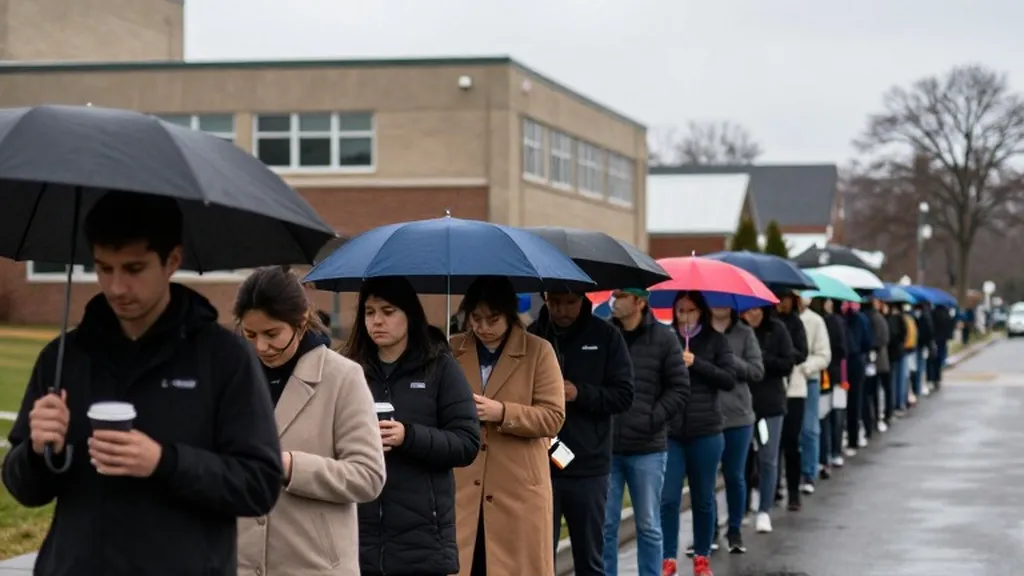
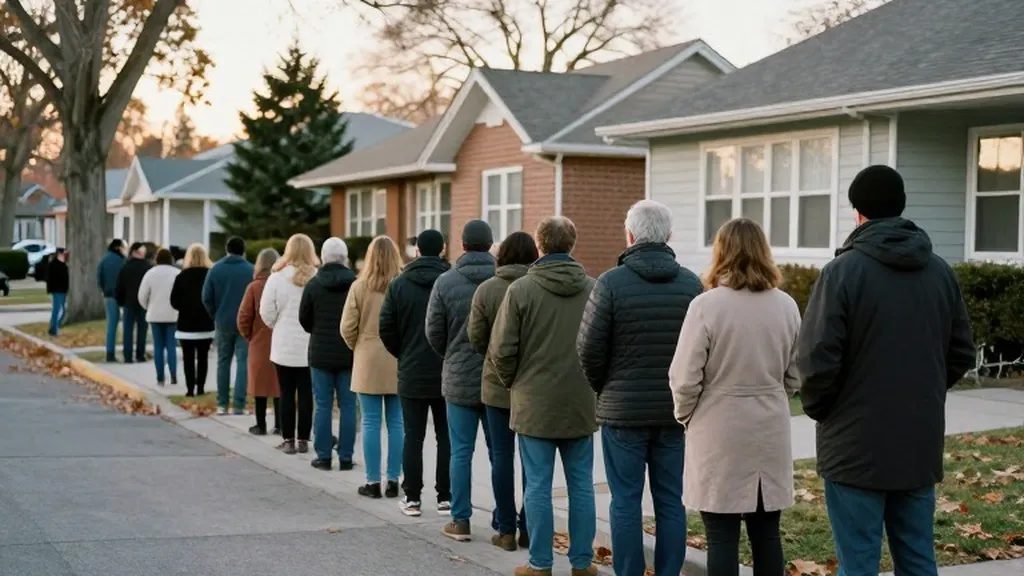
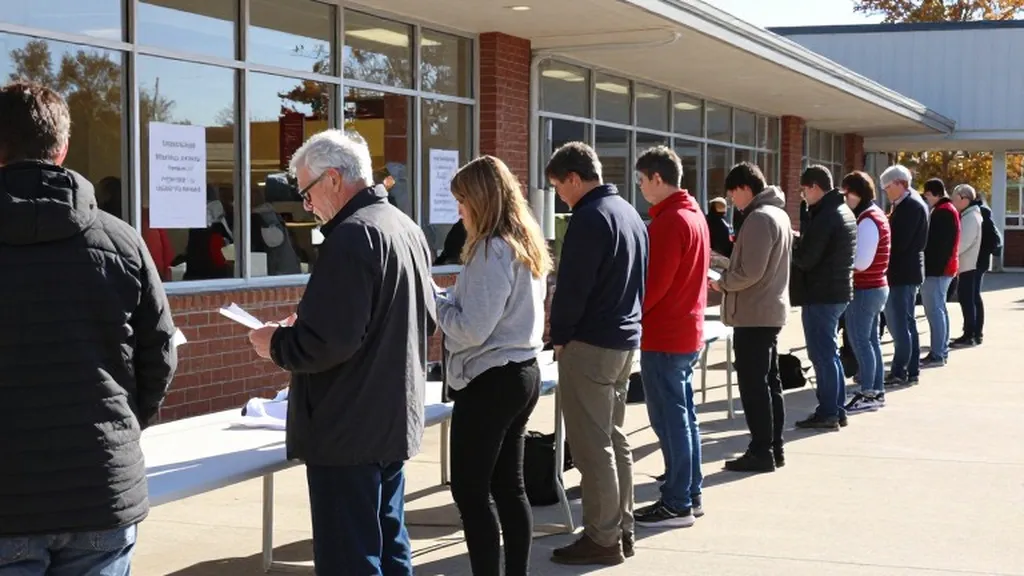
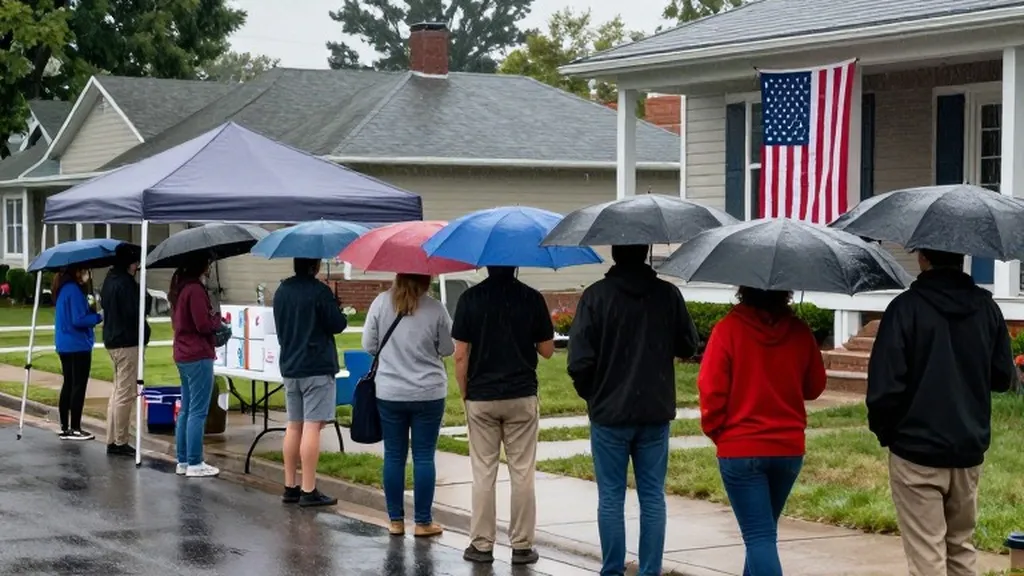
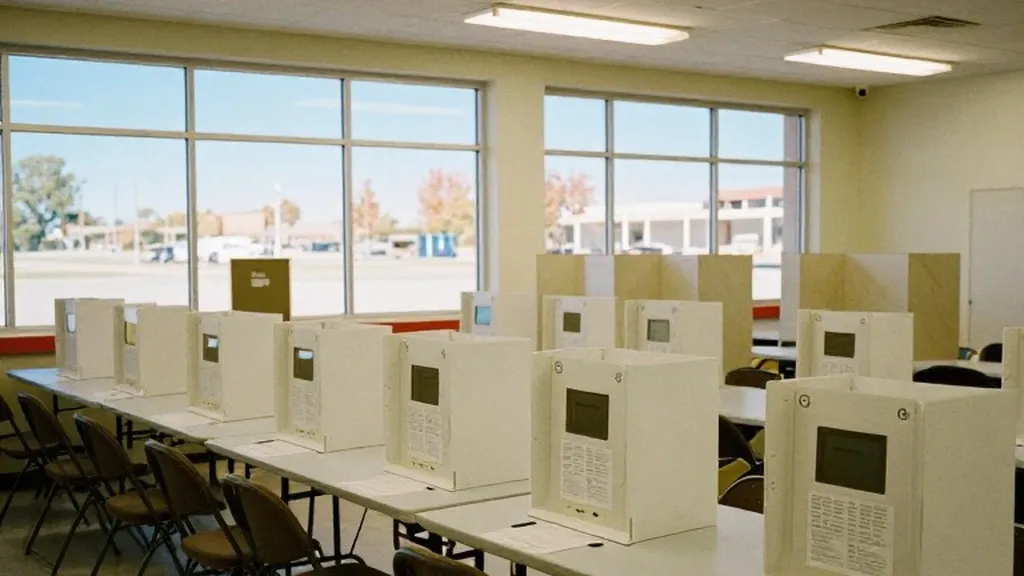
Voters are currently casting their ballots in a wide range of polling places across the 36 states. Poll hours vary by state, with some opening as early as 5 a.m. and others closing as late as 9 p.m. The Associated Press reports that more than 57 million people had already voted as of Monday, surpassing the early vote of four years ago in many closely watched states. As polls close, the focus shifts to the counting of votes and the determination of who will hold the 18 Republican and 18 Democratic governorships in the months ahead.