Democrats Seize Both Chambers of Congress as Voter Wave Sweeps GOP
A decisive shift in power delivers Democrats control of the House and Senate, capping a night of widespread Republican losses driven by economic concerns and the Iran conflict.
By Nikhil Petrov ·
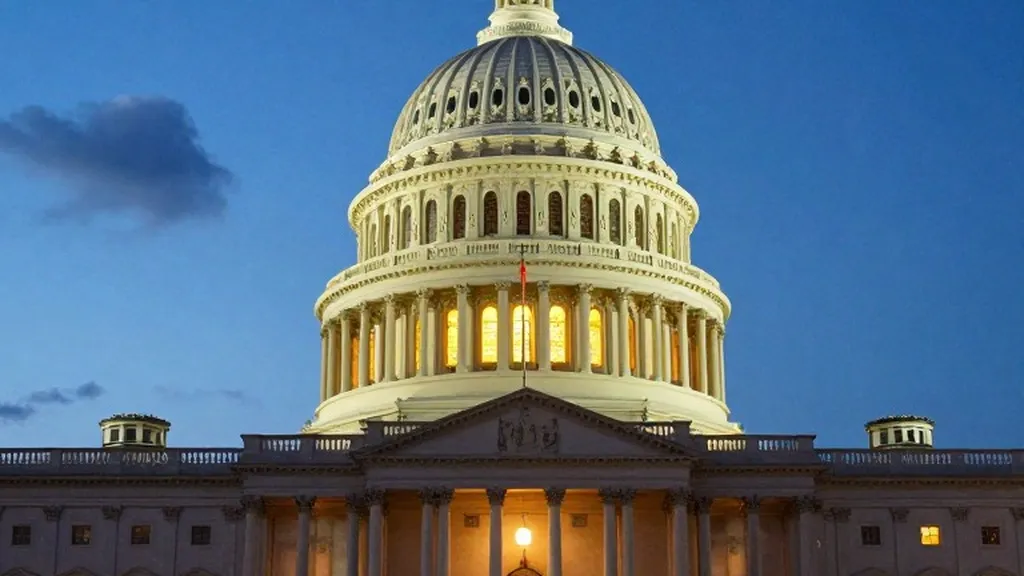
Democratic candidates secured control of both the U.S. House of Representatives and the U.S. Senate in the 2026 midterm elections, marking a fundamental reshaping of power in Washington. According to Ballotpedia, Democrats won 228 seats in the House and 20 of the 35 contested Senate seats, with two additional Senate races remaining uncalled as of early Wednesday morning. This outcome ends two years of unified Republican control and establishes a divided government where Congress is poised to act as a coequal branch challenging the White House.
The results reflect a nationwide surge fueled by voter dissatisfaction with the economy and the ongoing war with Iran. The Associated Press reported that voters rejected the president's party in a broad referendum on the second term. In the Senate, Democrats gained a net of seven seats, flipping previously Republican-held districts in states including Iowa, Kansas, Maine, North Carolina, Ohio, South Carolina, and Texas. These victories include historic wins in South Carolina and Kansas, which had not elected a Democratic senator since 1932.
In the House of Representatives, Democrats expanded their majority significantly, moving from 215 seats before the election to 228 won seats. This gives the party a comfortable margin well past the 218 needed for a majority. The Associated Press noted that the wave extended to coast-to-coast results, with surprising gains in regions traditionally considered reliable Republican territory. House Democratic Leader Hakeem Jeffries of New York is expected to become the first Black speaker of the House when the new Congress convenes in January 2027.
President Donald Trump focused on the construction of a White House ballroom the day after the election rather than addressing the party's defeat directly. He told reporters that the project was unprecedented and that he had won the election had he been on the ballot. Trump acknowledged that the war with Iran impacted the results but maintained that the conflict was necessary. He suggested that his party lost because voters did not like the specific candidates who ran, despite his own campaign urging supporters to treat him as if he were on the ballot.
Vice President JD Vance publicly distanced himself from the president's defense of the Iran war, blaming the conflict for the Republican losses. In a social media post, Vance questioned whether losing the Senate for six years was worth the war, a stance that marked a break from Trump's continued justification of the military action. The Associated Press reported that about 6 in 10 voters said the U.S. made the wrong decision in taking military action against Iran, and most of those voters backed Democratic candidates for the House.
Redistricting efforts that Republicans had hoped would provide a midterm edge largely failed to deliver results. In states such as Texas, Florida, and Alabama, Democrats won back or held onto seats that Republicans had redrawn with a Republican advantage. Former Attorney General Eric Holder stated that the redistricting plan was systematically dismantled by voters. In Florida, Democratic Rep. Jared Moskowitz won reelection in a redrawn district, noting that voters were concerned about the economy and angered by the map changes.
Democrats are now promising a 100-day agenda focused on lowering the costs of gas, groceries, and other goods. They also plan to launch a robust oversight agenda to investigate the administration. Senate Democratic Leader Chuck Schumer said relief is on the way for the American people. The party aims to reverse cuts to healthcare programs and address the high costs of living that frustrated voters during the campaign. The Associated Press noted that the new majority includes a class of newcomers, including a handful of democratic socialists, who will join the leadership team.
Republicans face a reckoning with their shriveled numbers and a need to determine what went wrong. House Speaker Mike Johnson is not seeking reelection as House Republican leader, according to people familiar with his plans. The party will spend the lame-duck session preparing for the next Congress, where they will hold a smaller minority. The Associated Press reported that the defeat serves as a reminder of the political toxicity of inflation and the impact of the war on fuel prices and household budgets.
The shift in power also affects state-level offices, with Democrats winning a majority of governorships for the first time in two decades. Ballotpedia data shows Democrats won 22 of the 36 gubernatorial races on the ballot, gaining five seats from Republicans. This gives them a stronger defense against the president's agenda at the state level. The results indicate that voters across the country prioritized economic stability and cost of living over other issues, driving a decisive change in the political landscape.
The new Congress will begin its terms on January 3, 2027, with Democrats leading both chambers. The Associated Press stated that the results present new opportunities and challenges for governing, as the new majority works to deliver on the promise of change that voters demanded. The divided government setup means that legislative battles over energy, environment, and economic policy will be central to the next two years of national politics.