Iran holds firm on Hormuz as US midterms and Israel election approach
Tehran seeks permanent war end and sanctions relief, while regional mediators push for de-escalation ahead of critical US and Israeli votes.
By Daniel Bernard ·
Iran is maintaining its demand for a permanent end to the war with the United States and Israel, prioritizing durable guarantees over a temporary ceasefire. This stance comes as regional powers intensify diplomatic efforts to prevent further escalation in the conflict that began eight months ago.
Senior officials from Saudi Arabia, Pakistan, and Turkiye met with Iranian leaders in Tehran on Monday. The three nations, which signed a joint defense pact in August, pledged to continue discussions regarding regional peace and security. China announced on Tuesday that it will send an envoy to the region soon to assist in avoiding another round of fighting.
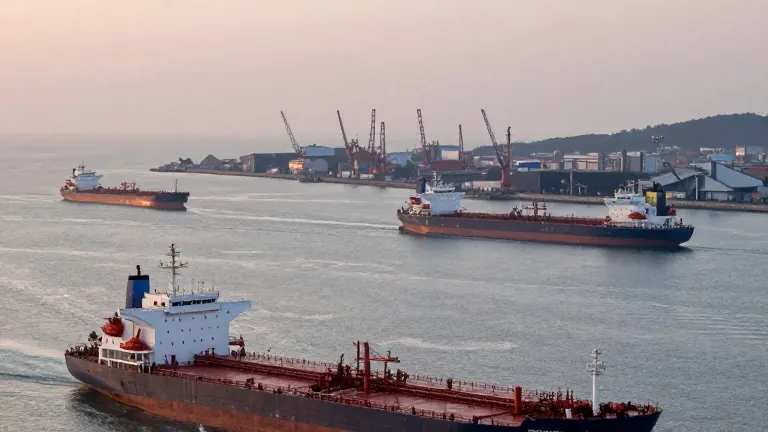
Tehran is insisting on specific conditions before resuming normal traffic in the Strait of Hormuz. These conditions include sanctions relief, an end to the US naval blockade on Iranian ports, and concrete assurances that the US will not renew attacks. In exchange, Iran offers to help restore normal maritime trade. The US, however, seeks additional concessions from Iran, particularly regarding its nuclear program, before a final settlement is reached.
Political developments in the US and Israel are influencing Tehran's calculations. The US midterm elections are scheduled for November 3, when all 435 House seats and 35 Senate seats are up for grabs. President Donald Trump stated on Sunday that he had previously said attacks would not occur until after the midterms, leaving his next move ambiguous. Meanwhile, Israel holds its election this Tuesday. A defeat for Prime Minister Benjamin Netanyahu could complicate future joint operations, though opposition leader Gadi Eisenkot has also expressed strong concerns about Iran's nuclear capabilities.
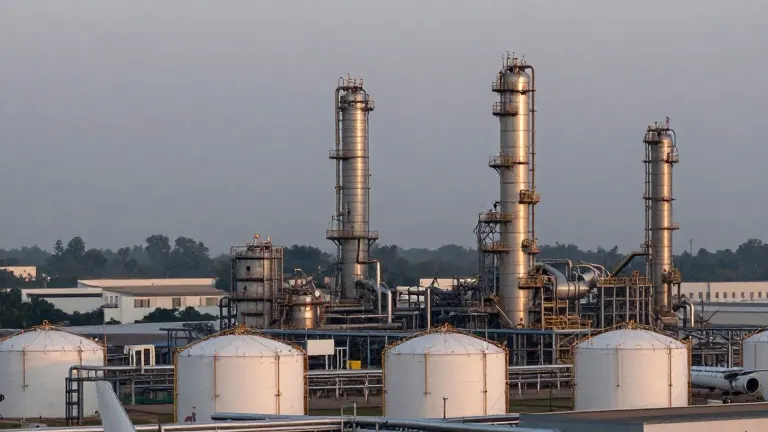
Economic pressure remains a central point of contention. The Strait of Hormuz carried approximately one-fifth of global oil and liquefied natural gas shipments before the war. Brent crude prices surged above $117 a barrel last week, up from about $72 pre-war, following Iranian attacks on tankers. October recorded the highest number of attacks on commercial shipping in the strait, according to the Washington Institute for Near East Policy. Analysts suggest Iran is using this economic leverage to force the US into a contest of endurance.
Distrust remains the primary obstacle to negotiations. Iran cites previous failures, such as the June memorandum of understanding that unraveled as attacks resumed. Sina Toossi of the Center for International Policy noted that Tehran seeks tangible guarantees to protect against renewed military strikes. The conflict has also driven up diesel prices in the US, nearly doubling costs and impacting farmers and small businesses, a factor becoming central to the domestic election debate.
Negar Mortazavi, editor of The Iran Podcast, stated that Iran's goal is to establish deterrence so the cycle of attacks does not repeat. She said Tehran is willing to negotiate but believes it retains strong leverage, particularly in the Strait of Hormuz, and will not surrender that position under pressure. The immediate goal of regional mediators is to de-escalate tensions and return to a diplomatic process with stronger mediation.
Source: Al Jazeera