Israel's Vote Hinges on 10,000 Ebola Cases and a Tight Race
Record turnout in Israel leaves the leadership unclear as a global health crisis escalates and the U.S. Federal Reserve meets.
By Nikhil Petrov ·
Prime Minister Benjamin Netanyahu and former military chief of staff Gadi Eisenkot are locked in a dead heat following a record turnout in Israel's national election. Voters went to the polls to decide whether Netanyahu stays in office or is replaced, but the results are too close to call. Initial reports suggested Eisenkot had the advantage overnight, but Netanyahu pulled ahead by the morning of October 28. Election officials expect to finish counting votes by the afternoon of October 29.
The winner will have six weeks to assemble a governing coalition. If neither bloc secures an outright majority, party leaders may need days or weeks to negotiate with defectors from the opposing camp. Daniel Estrin of NPR reported that Eisenkot could potentially win the backing of a majority of lawmakers due to strong support from Arab-led parties. However, his team is cautious about forming a coalition with those groups, citing deep mistrust and the political demonization of Arab leaders that followed the October 7, 2023, attacks. Estrin noted that neither candidate has a clear path to a majority.
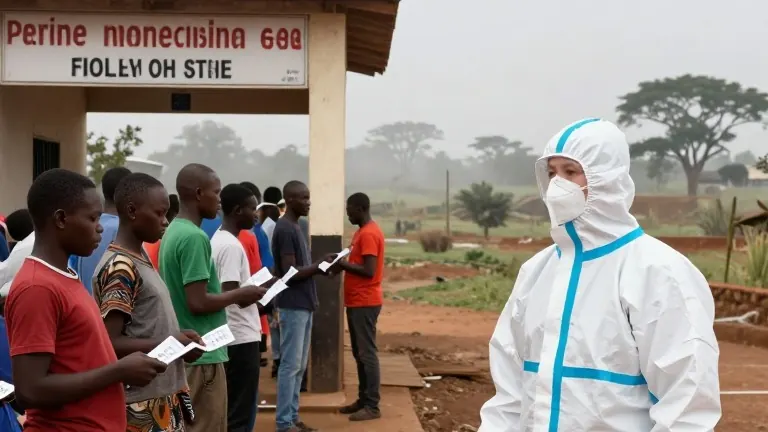
While Israel counts votes, the Democratic Republic of Congo reported that the Ebola outbreak declared in May has infected more than 10,000 people. The virus has spread faster than any previous outbreak and covers the largest geographic area, stretching from Nigeria to Kenya. The death toll stands at nearly 5,000, ranking it second in history for fatalities. Approximately one-third of those who have died are children.
In the United States, the Federal Reserve is meeting on October 28 as prices continue to rise faster than average wages. Consumer prices increased by 3.7% in September compared to the previous year, according to the Labor Department's latest cost-of-living report. This annual increase is larger than the one recorded in the month before. Scott Horsley of NPR reported that investors do not expect a rate hike at this meeting, despite the central bank having raised rates in September. They believe the Fed will keep a low profile before Election Day and may raise rates again in December.
Money for the U.S. midterm elections is breaking records, with ad spending passing $11 billion according to Ad Impact. An NPR analysis found that candidates in four major Senate races spent more than $15 million on fundraising ads during the 2025-26 cycle. President Trump has been campaigning in tight races in states including Texas, Mississippi, and Kansas. He has shifted away from his standard pitch of promoting tax cuts and attacking Democrats. Instead, his rallies feature jokes, such as remarks about Ohio Senator Jon Husted's physique, which entertain crowds but shift focus from issues like the economy and gas prices. Danielle Kurtzleben of NPR noted that while the Republican base still backs him, his need to rally support in very red states suggests a potential problem for his party.
Source: NPR
More News · National news · Report a business · Got a Story?