Clocks change Nov. 1, altering commute risks for Southern California drivers
Glare and darkness shift with daylight saving time, prompting CHP and AAA officials to urge specific safety precautions.
By Daniel Bernard ·
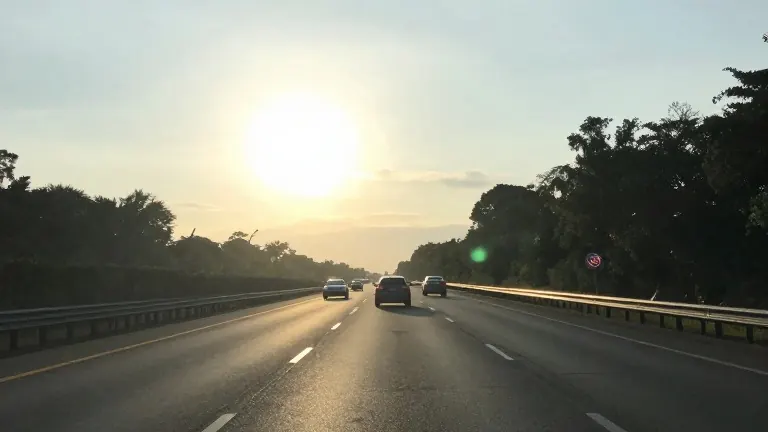
Drivers in Southern California will face a one-hour shift in their daily commute on Nov. 1. The clock change moves daylight into different parts of the morning and evening, altering visibility conditions for motorists.
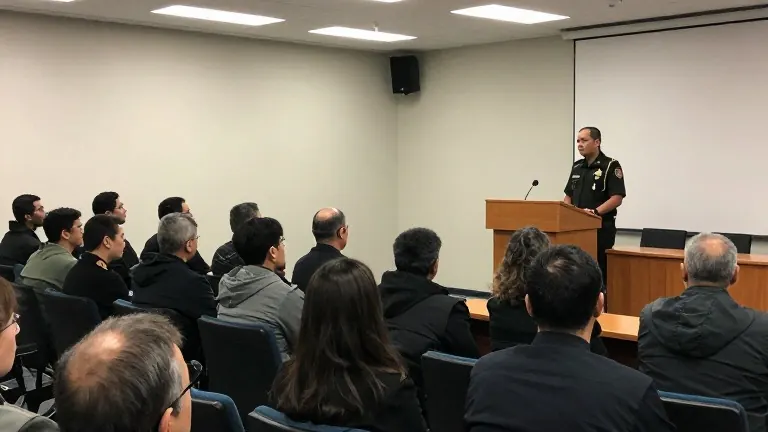
California Highway Patrol Officer Andre Ortiz noted that sunlight frequently contributes to crashes during peak travel times. He advised drivers to wear sunglasses and use sun visors to reduce glare. Ortiz also recommended increasing following distance and slowing down to compensate for reduced visibility.
Commuters traveling east or west are most affected by the sun's position. Major routes such as the 10, 101, and 60 freeways see significant traffic in those directions. Ortiz emphasized the need for clean windshields. He explained that smudges inside or outside the glass can intensify glare and delay a driver's reaction time.
The shift also brings earlier darkness to evening commutes. AAA of Southern California and the CHP report an increase in drowsy drivers when it gets dark sooner. The additional hour of sleep often disrupts established sleep schedules, making alertness more difficult to maintain.
Kandace Redd of AAA stated that drivers should prioritize rest despite the clock change. She warned that darkness arriving earlier makes staying alert a critical task. Redd advised getting enough sleep and avoiding driving when fatigue sets in.
Source: ABC7 Los Angeles