El-Sayed faces faith attacks in Michigan race
The Democratic candidate for Senate is the first Muslim to seek the seat, drawing scrutiny from both parties ahead of Tuesday's vote.
By Daniel Bernard ·

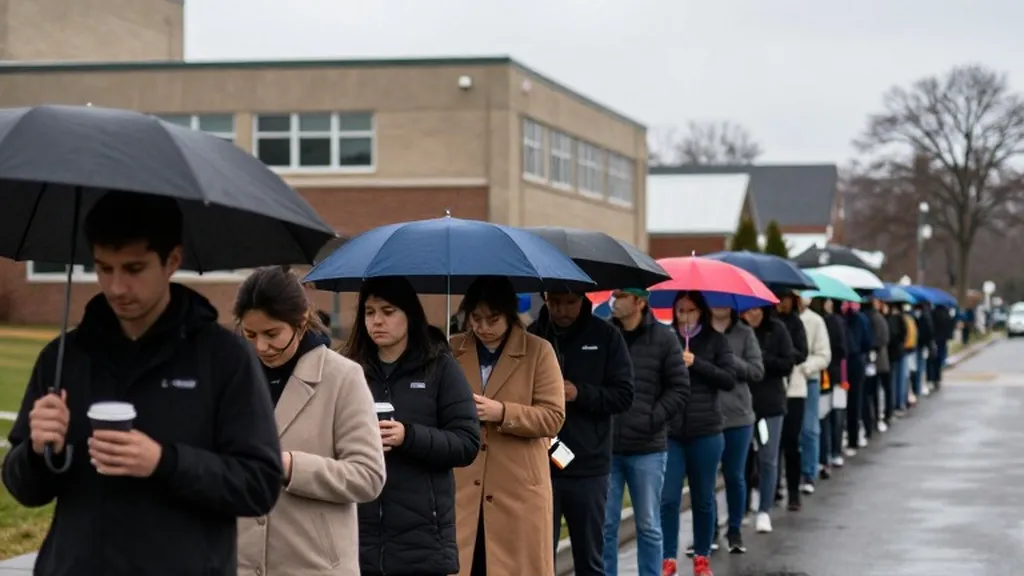
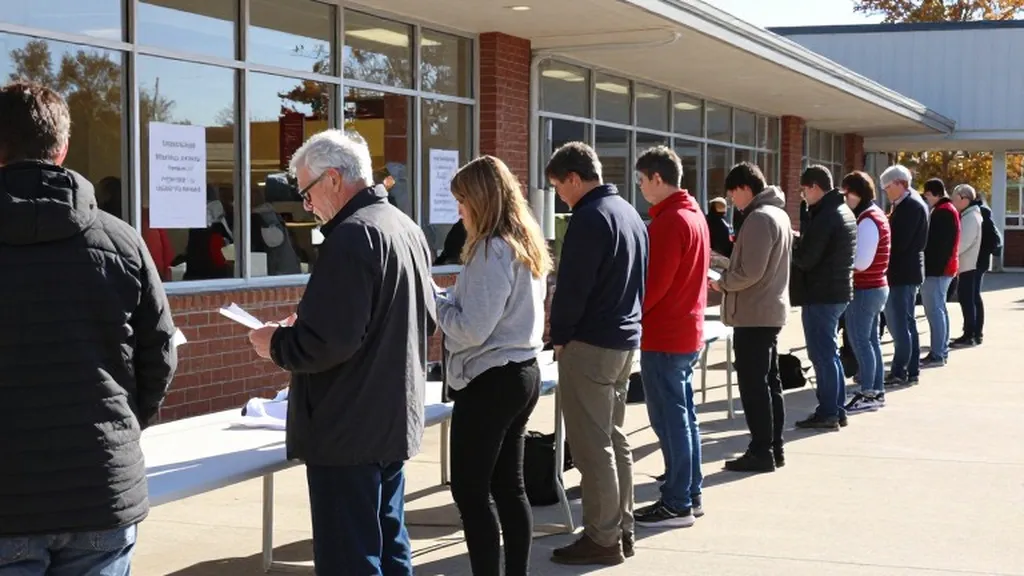
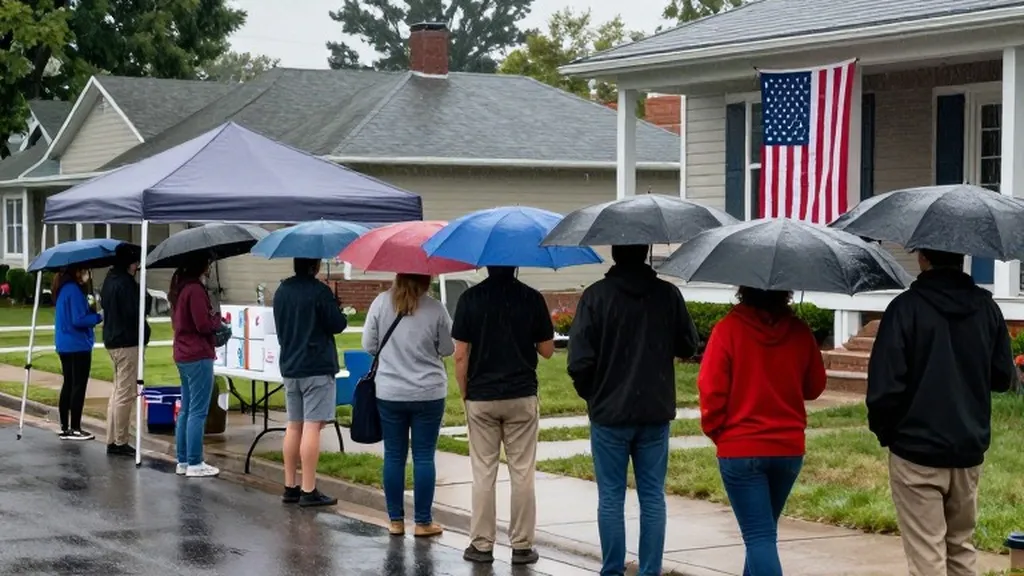
Voters across the state are heading to the polls on Tuesday, November 3, to decide the next U.S. senator from Michigan. The contest features Abdul El-Sayed, a former health official, who is running on a platform that emphasizes healthcare reform and campaign finance changes. This race is drawing national attention because El-Sayed is the first Muslim candidate to seek a seat in the U.S. Senate from the state.
El-Sayed’s campaign focuses on economic and political issues. His slogan calls for removing money from politics and increasing funds for public services, including Medicare for all. This platform aligns with local efforts already on the ballot. Proposal 2, a state initiative sponsored by the group Michiganders for Money Out of Politics, would ban utility companies from making campaign donations in state elections if it passes.
The candidate’s religious background has become a central point of contention in the campaign. The President, the Vice President, and his Republican opponent, a former member of Congress, have all suggested that his faith should disqualify him from office. Some Democrats have also questioned whether a Muslim who is a vocal critic of the Israeli government reflects the party’s current direction. El-Sayed has compared this scrutiny to historical challenges faced by other religious minorities in American politics, such as Catholics, Jews, and Mormons.
El-Sayed responded to the criticism during a recent interview. He stated that people often use religion to divide communities, but he views his faith as a moment of inclusion. He noted that small differences in prayer are opportunities to reflect on the shared goals of faith across communities. He described the recognition that people are small in the eyes of a creator as a reason why they need each other in the world.
The election will result in a new leadership structure for Michigan. After eight years, the state will elect a new governor. Additionally, Gary Peters, who has held his Senate seat since 2014, will be replaced for the first time. The outcome will determine which policy proposals, such as road improvements and healthcare expansion, gain traction in Washington.
The race has prompted comparisons to previous elections where religious identity played a role. In 2020, questions arose about a Black woman on the Democratic ticket. In 2012, Republicans questioned if Mitt Romney’s Mormon faith would hurt his campaign. In 1960, John F. Kennedy assured voters his allegiance was to the Constitution, not the pope. The 1916 nomination of Louis Brandeis, a Jewish lawyer, was so contested that it led to the creation of public confirmation hearings.
National observers are watching Michigan closely. The amount of money spent and the attention paid to the results suggest that the state's direction is part of a larger national debate. The election will determine the next members of the state's congressional delegation and its governor, shaping the legislative priorities for the coming years.
Source: Las Vegas Sun