Warhound begins cloning elite military canines with $200 million
Founders Ben Lamm and Palmer Luckey plan to deliver the first gene-edited working dogs in early 2027.
By Nikhil Petrov ·
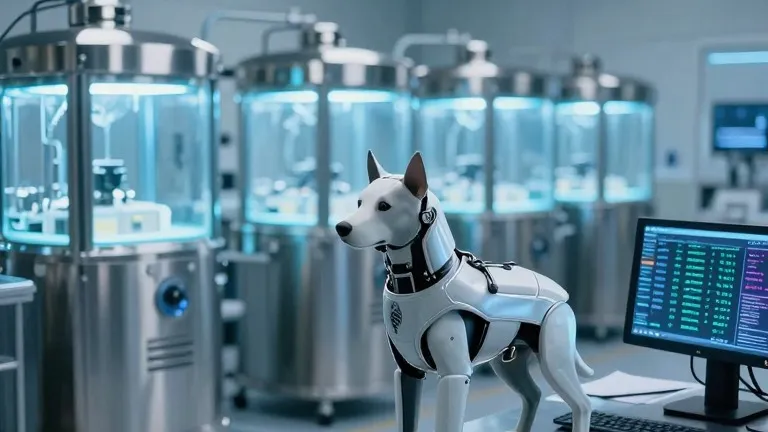
The US military will begin receiving the first generation of genetically modified working dogs in early 2027. These animals are designed to perform standard tactical roles while carrying specialized protective equipment developed by defense contractor Anduril. The initiative is led by Warhound, a new venture that has secured $200 million in funding to execute this project.
Scientists at Colossal Biosciences are currently editing the genetic material of the first group of donor dogs. These samples were taken from top-performing military, police, and first responder dogs across the United States. The donor pool consists primarily of Belgian Malinois, with a smaller number of Labradors and Shepherds included in the initial batch.
The primary goal of the genetic modifications is to reduce the prevalence of breed-specific health issues. Researchers aim to lower the likelihood that these dogs will develop hip dysplasia or certain cancers. Ben Lamm, a co-founder, indicated to TechCrunch that future genetic changes could also enhance physical traits such as speed, agility, and olfactory sensitivity.
Anduril will focus on the hardware and software aspects of the project rather than the biology. The company is designing protective gear, including goggles, vests, and body armor, intended to safeguard the animals during operations. This equipment will be integrated with the software systems that Anduril provides for the Pentagon.
The leadership team includes David Spirk, who served as the most recent CEO at Palantir, serving as the chief executive of Warhound. Ben Lamm, who leads Colossal Biosciences, sits on the company board and holds equity in the startup. Palmer Luckey, who founded Oculus VR and Anduril, is a partner in the business but does not hold a direct stake in the company.
The first batch of these engineered dogs is expected to be born in early 2027. Once trained, they will be deployed for tasks currently handled by traditional working dogs, such as bomb detection and search-and-rescue operations.
Source: Engadget