Upward Rebuilds Dating App Around Marriage Goals
Match Group's relaunched platform targets Gen Z with new courtship features and a wider definition of traditional values.
By Daniel Bernard ·
Match Group has relaunched Upward, a dating platform originally built for Christian users, to capture a wider segment of Gen Z singles who prioritize traditional values. The company restructured the app's interface and marketing strategy to appeal to young daters who may not identify as religious but still seek marriage as a primary life goal. This strategic shift marks a departure from the app's initial niche focus.
The decision to pivot came after Match Group analyzed data from its 2026 Singles in America study. The survey found that 72 percent of Gen Z respondents said they want to get married. Additionally, one in four singles aged 18 to 34 identified with traditional values regarding family, faith, and community. Lauren DeFord, director of brand marketing at Match, explained that the change aims to welcome people who share these goals without requiring a faith-first mindset. She described the relaunch as a brand shift while maintaining that Christian singles remain central to the mission.
Upward launched in 2020 with a specific focus on the Christian dating market. For several years, it operated as a niche product within Match Group's portfolio of apps, which includes Tinder and Hinge. The recent redesign expanded the target demographic to include young adults who value traditional courtship but do not necessarily lead with religious identity. The company positioned the new Upward as the home of modern courtship for this broader group.
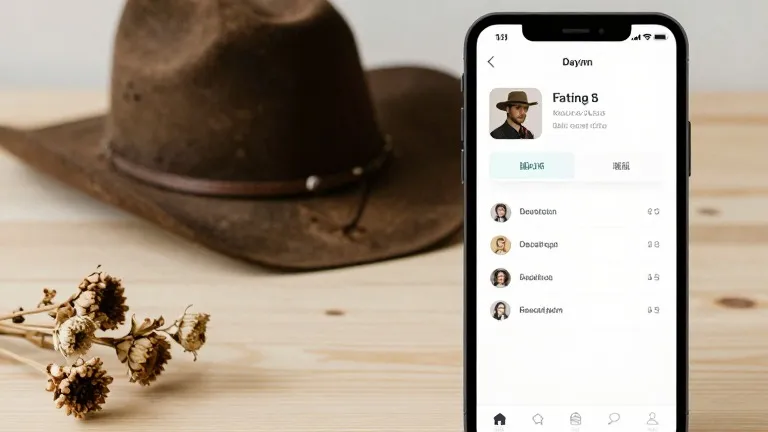
The updated app introduces several new features designed to guide users toward long-term commitment. One addition is Chivalry Mode, which encourages men to send the first message, mirroring a format previously used by Bumble. Another feature, called Marriage Timeline, allows users to indicate when they hope to marry. The platform continues to use a swipe-based interface similar to Tinder, where users swipe left or right to express interest. Users are also encouraged to add a Faith Statement describing their relationship to God, even if they are not exclusively Christian.
Match Group's promotional materials for the relaunch rely heavily on retro Americana imagery. A recent video campaign featured a man in a cowboy hat and jeans performing traditional courtship gestures, such as carrying his partner and opening car doors. The text overlay on the video read chivalrymaxxing. The company stated that its branding draws on Western-style aesthetics, utilizing a campaign called Wanted: For Life. This visual approach contrasts with the modern digital interface of the app itself.
Experts have questioned whether the app's focus aligns with current dating behaviors among young adults. Daniel Cox, director of the Survey Center on American Life, argued that Gen Z is entering adulthood with less clear relational priorities. He noted that a decline in social and civic life has created a hyperindividualistic culture that does not always prioritize marriage. Cox described the trend toward traditional dating as a reaction to a lack of cultural norms around courtship, suggesting that daters are seeking a script for interaction.
Other survey data presents a more complex picture of young people's views on marriage. A 2023 Pew Research study found that only 23 percent of adults considered being married extremely or very important to a fulfilling life. In comparison, 61 percent said the same about close friendships. The share of high school seniors who expected to marry someday dropped from 80 percent in 1993 to 67 percent in 2023. Cox noted that Match Group's statistic may be skewed by age, as older generations in the survey have already married or divorced. Match Group stated its survey of 5,000 unmarried US singles is demographically representative of the Census.
Early user feedback on the relaunched app has been mixed. Adreanna Pulliam, a 25-year-old opera singer in Bloomington, Indiana, said she encountered men who fit a specific political and cultural mold, including profiles with photos taken at funerals. She expressed confusion over app features that allow users to list body types like chubby and permit married people to join. Tauti, a social work student in California, quit the app within 48 hours, stating that the experience turned her off from Christian dating altogether. Heidi Marais, a teacher and single mom, questioned why agnostics are allowed on the platform.
Upward has faced complaints since its debut regarding functionality, filtering, and user support. The company declined to share active user numbers. One App Store reviewer described the app as janky as hell. Pulliam suggested the app might find an audience within communities of Christian private universities. She added that the app likely works best for users with a more closed mindset regarding dating expectations.
Source: Wired
More Business · Tech news · Scam Watch · Report a business · Got a Story?