Louisiana Health Department Flags 10 Rare Acanthamoeba Infections
Ten cases of a waterborne parasite have been recorded since 2024, with five patients suffering permanent vision loss and one dying from a brain infection.
By Nikhil Petrov ·
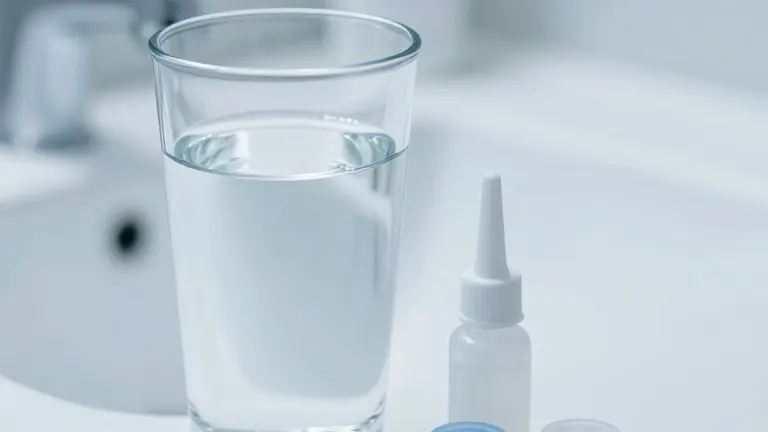
Ten cases of Acanthamoeba infection have been identified in Louisiana since 2024, prompting state health officials to warn residents about the risks of using tap water.
The Louisiana Department of Health announced the findings on November 3, 2026. Eight of the patients developed keratitis, a severe eye infection that can lead to blindness. Seven of those individuals wore contact lenses. Five patients lost their vision permanently.
Two cases were recorded in 2026. One infection affected the paranasal sinuses, while the other attacked the brain. The patient with the brain infection died. Both individuals had weakened immune systems and had used tap water in nasal irrigation devices. Officials did not release details about the deceased.
Theresa Sokol, the state epidemiologist, addressed the severity of the condition in a press statement covered by ABC7 Eyewitness News. She stated, “Si bien estas infecciones son poco frecuentes, pueden tener consecuencias devastadoras.”
Acanthamoeba is a single-celled organism found in soil, water, and various human environments. It lives in drinking water systems, swimming pools, hot tubs, and humidifiers. Most people exposed to the organism do not become ill, but it can infect the eyes, sinuses, skin, or brain.
The Centers for Disease Control and Prevention distinguishes between two types of Acanthamoeba infections. Acanthamoeba keratitis typically affects healthy individuals who use contact lenses. It usually remains in the eye and does not spread to other parts of the body. Non-keratitis infections are rarer and more dangerous. They often strike people with compromised immune systems and can affect the brain, skin, nasal cavity, and sinuses.
Non-keratitis infections are rare in the United States, affecting only three to twelve people annually. However, 82% of these cases result in death. Keratitis is generally acquired through contact lens use and can cause permanent vision loss but rarely spreads systemically.
State health officials advise using distilled, sterile, or boiled and cooled water for nasal irrigation devices. They recommend using specific contact lens solutions and avoiding tap water entirely. Patients should remove contact lenses before swimming, showering, or using a hot tub. Officials also urged providers to follow cleaning and storage guidelines to promote early detection.
The department issued an advisory to health providers to encourage prevention and early identification of the parasite. While tap water is safe for drinking, improper use in medical devices poses a distinct risk. Contaminated water can also affect the digestive system, causing diarrhea, nausea, vomiting, abdominal cramps, fever, and dehydration. Symptoms can appear from a few hours to several weeks after exposure.
Source: La Opinión