A Seabed Worth Billions Fuels a New Standoff in the Eastern Mediterranean
Libya's parliament has voted unanimously for a maritime deal with Turkey, a move that puts energy reserves under the sea at the center of a growing legal and diplomatic clash with Greece and the European Union.
By Sanjay Ivanov ·
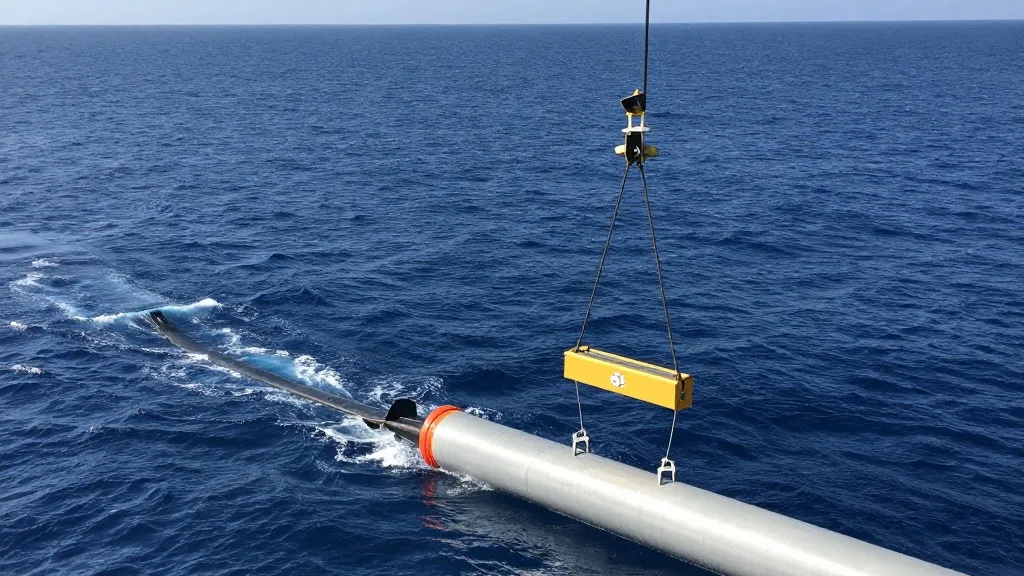
A vote in Libya's parliament this week has moved a massive project forward, with direct consequences for energy access and regional stability in the Mediterranean. The assembly unanimously approved a maritime agreement with Turkey, clearing the way for a direct economic corridor between the two nations. This decision, made on Tuesday, is expected to significantly deepen the already existing tensions in the region, particularly with Greece. The plan focuses on linking the southern coast of Turkey with the northern coast of Libya, creating a new channel for cooperation and transport between the two countries.
The corridor's approval comes as estimates suggest natural gas reserves worth several hundred billion US dollars could lie under the seabed in this area. Both Ankara and Tripoli are looking to secure their economic rights to these resources and plan to develop them jointly. The agreement was first agreed upon in 2019 with the UN-recognized Government of National Accord in western Libya. The rival eastern government opposed the deal at the time but has now reversed its position, with Turkey's Foreign Ministry welcoming the vote.
The central point of contention is how to draw lines in the sea. The planned corridor bypasses several Greek islands, including Crete, Karpathos, and Rhodes. Greece claims a comprehensive exclusive economic zone around these islands and has firmly rejected the accord, asserting its position with the backing of the European Union. The EU has called the memorandum null and void because it violates the sovereign rights of third states. Kaja Kallas, the EU's high representative for foreign affairs and security policy, echoed this sentiment, stating that the agreement infringes upon the sovereign rights of third states.
At the heart of the dispute is whose claims are considered legitimate. Greece relies on the UN Convention on the Law of the Sea, whose Article 121 gives inhabited islands that support an economic life of their own the same EEZ rights as mainland territory. Athens says this covers Crete, Rhodes, and Lesbos, and it points to a 2022 International Court of Justice ruling involving Colombia and Nicaragua, which held that overlapping interests require a fair demarcation weighing coastlines, geography, and the effects of any boundary. Turkey, which never signed the convention, argues that Mediterranean geography deserves special weight, stating that if every small Greek island received a full EEZ, it would be largely cut off from the open sea.
The agreement also threatens the planned EastMed pipeline, meant to carry gas from Israel and Cyprus through Greece to bolster EU energy security, since the new corridor cuts across its route. Turkey has argued that cable or pipeline projects on its claimed continental shelf need its consent. Over the long term, the region could split into two blocs: a Turkey-Libya axis and an EU-supported grouping of Greece, Cyprus, Egypt, and Israel.
Source: Deutsche Welle