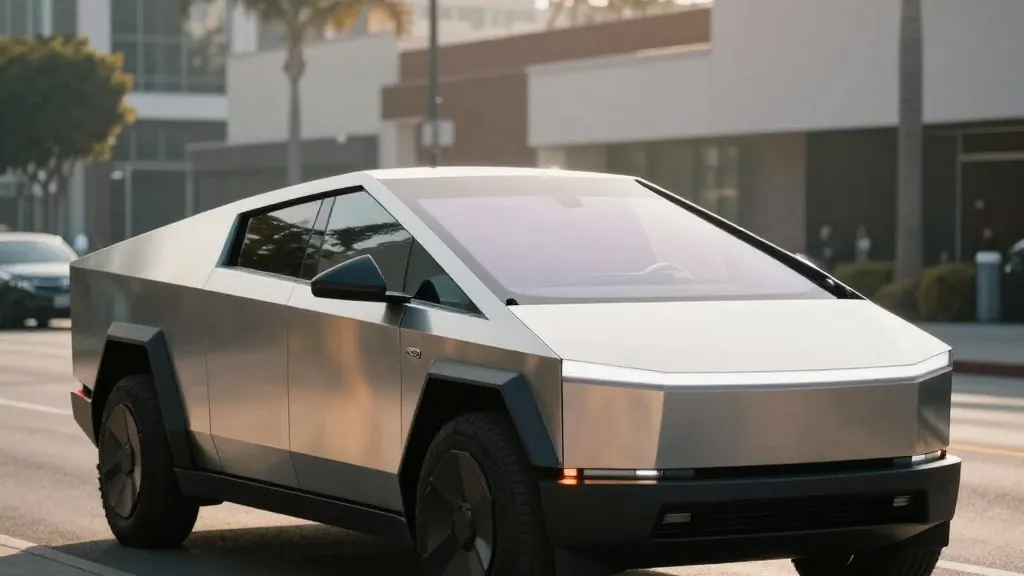
Tesla Maps: A Reversal on FSD Strategy
Tesla is now developing proprietary map data to address persistent issues with its Full Self-Driving software.
By Neha Iyer ·
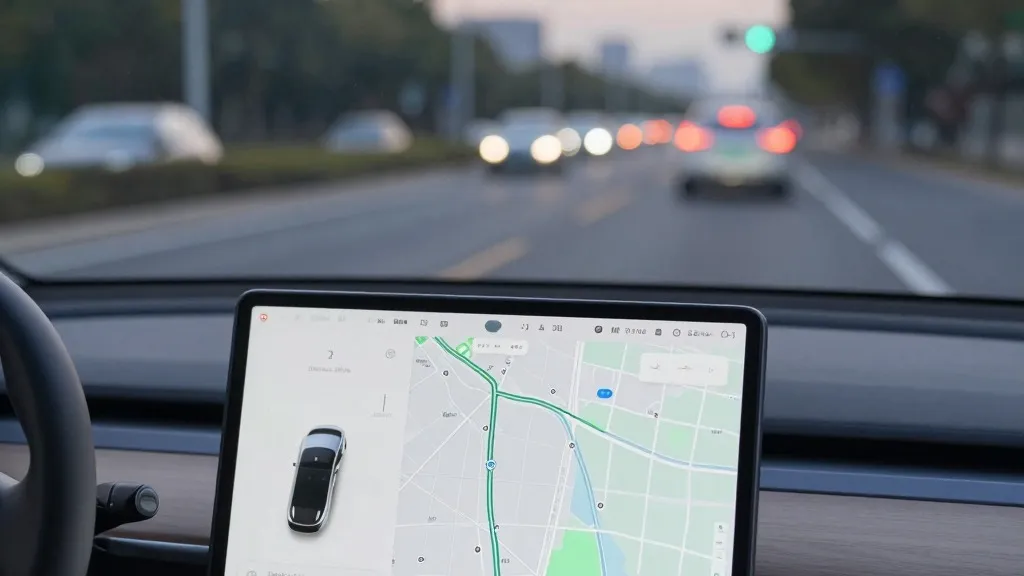
Tesla has announced that it will build its own mapping systems to resolve ongoing problems within its Full Self-Driving (FSD) software, specifically regarding speed limit recognition, parking, and route selection. This development was revealed by Ashok Elluswamy, Tesla's VP of AI, during the company's Q3 2026 earnings call. The shift suggests that drivers utilizing FSD may soon experience fewer errors related to navigation and environmental awareness. The company plans to roll out technology that handles the beginning and end of trips with FSD v15, taking over navigation and parking over the subsequent months.
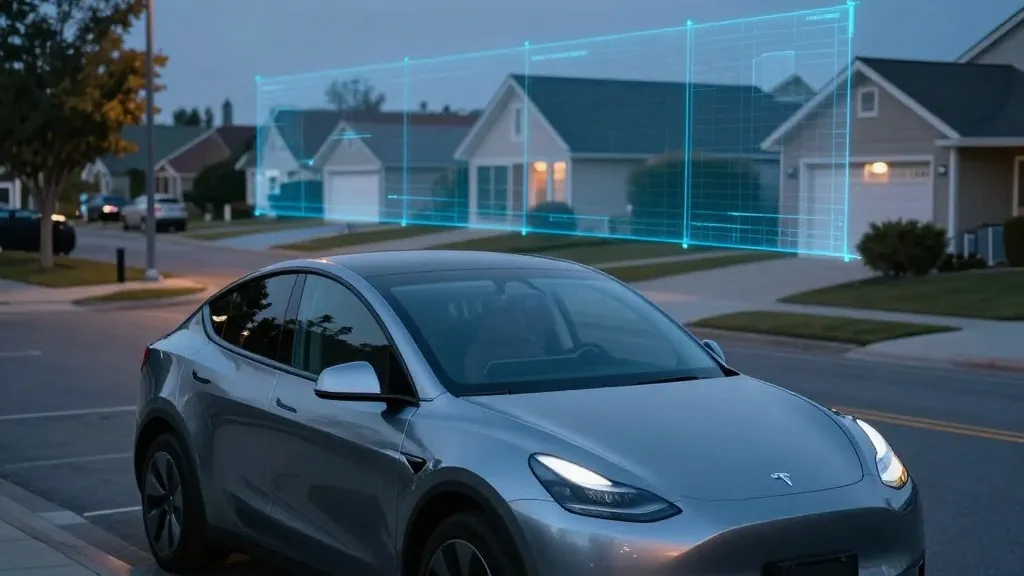
The company is moving away from reliance on third-party map data, with Elluswamy stating, “we shouldn't be depending on external people’s maps.” Tesla intends to construct a new AI-based mapping and navigation architecture utilizing data collected collectively by its fleet. This system is designed to learn individual driver preferences and respond to voice commands. This marks a departure from previous public statements where the company dismissed detailed mapping as a hindrance to generalizable autonomy.
The attempt to build high-precision maps is not entirely new for the firm. In 2015, following the launch of Autopilot, Tesla indicated to Fortune that it had begun creating maps with significantly higher granularity than standard navigation data, utilizing information from customer vehicles. However, the company's stance changed in 2019. During Tesla's Autonomy Day, Elon Musk stated that relying on high-precision lane maps was “a huge mistake” and a “really bad idea,” arguing that such systems become “extremely brittle.” At that time, the company advocated for a vision-only approach that would function without detailed map dependencies.
Seven years after that presentation, Tesla is now building a map layer from its fleet to fix the things its vision system gets wrong. The current initiative focuses on correcting deficiencies in environmental understanding, particularly regarding speed limit signs. Reports indicate that the system has struggled to interpret such information accurately. For example, a Belgian road safety group found that FSD sped in 55% of the 30 km/h zones it tested in Brussels, and in the US, NHTSA is weighing an investigation into claims that Tesla Robotaxis speed through active school zones.
Tesla's fleet is now a mapping fleet, a strategy that aligns its operations closely with competitors like Waymo. Waymo maps cities by driving sensor-equipped vehicles through them before launching service and keeps those maps updated. Tesla is now describing a similar process where its cars collect what they see to feed a map that helps every car drive better. While Waymo relies on lidar to create high-definition maps, Tesla is generating its own map data through its fleet's visual sensors. Although Tesla is not discussing centimeter-level HD maps today, a fleet-built map that keeps getting more detailed could easily head that way.
The use of maps presents a contradiction to the company's long-standing messaging regarding autonomy. For years, executives have dismissed detailed mapping as a crutch, arguing that a general solution must work anywhere through vision alone. However, the inability to reliably read basic road information, such as speed limits, indicates that vision alone is not currently sufficient. Consequently, the company is implementing a mapping strategy that mirrors the approach of its competitors.
Tesla is building its maps now and has pushed unsupervised FSD in customer cars to Q2 2027, and only inside its Robotaxi fleet. This timeline contrasts with Waymo, which has operated driverless service with built maps for years. While a map built from millions of Tesla cars could be a real advantage, the shift highlights that both companies are solving the same problem in very similar ways, though only one of them has lidar.
Source: Electrek