Voters Decide Fate of Century-Old Board
A ballot measure allows the city council to eventually disband the Board of Public Works, sparking debate over accountability and efficiency.
By Nikhil Petrov ·
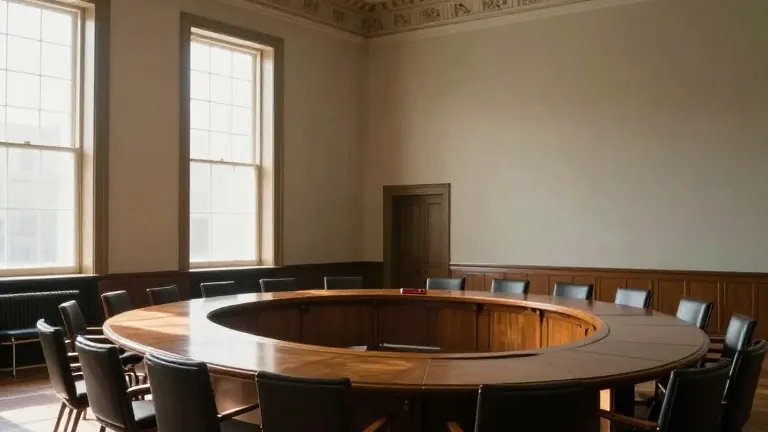
Los Angeles voters will decide Tuesday whether to allow the City Council to dismantle the Board of Public Works, a body that has managed city infrastructure since 1905. Measure LA contains a charter amendment that permits the council to eliminate or alter the board, a change that supporters say will streamline repairs and opponents warn will concentrate too much power in a single official.
The board currently oversees streets, sidewalks, sewers, and sanitation services. It consists of five full-time city employees appointed by the mayor. Each member earns slightly less than $200,000 annually and supervises a network of more than 5,500 workers across various city bureaus. The panel approves over 85% of the city’s construction contracts, giving it substantial control over local spending.
Councilmember Monica Rodriguez, who served on the board from 2013 to 2016, argues that removing the panel would risk increased corruption. She noted that a single director might not possess the comprehensive knowledge required to coordinate work across different departments. Rodriguez stated that the real issues lie in the resources and staffing support of the individual bureaus rather than the leadership structure itself.
Former board member Valerie Lynne Shaw, who served from 1996 to 2013, described the board as a coordinating mechanism for infrastructure projects. She emphasized that distributing authority among multiple commissioners better serves the city than placing it in one person. Another former member, who requested anonymity, noted that the board’s structure facilitates frequent interaction with neighborhood councils, homeowners associations, and state legislatures, a level of engagement a single director might not achieve.
Councilmember Katy Yaroslavsky, a supporter of the measure, cited the lack of clear authority in the current system. She pointed to a long-running intersection repair project on La Cienega Boulevard in her district, where she struggled to obtain information from staff. Yaroslavsky contrasted the city’s fragmented leadership with Los Angeles County, which has a single Director of Public Works. She argued that having one person in charge makes accountability simpler.
Board President Marqueece Harris-Dawson acknowledged in June that the current setup can cause confusion. He described a scenario where street lighting and engineering departments blamed each other for a repair, leaving the problem unresolved. He said the current system feels like issues are bounced around without a single point of contact to solve them.
Councilmember Bob Blumenfield, another supporter, said the measure addresses a fundamental challenge in coordinating city bureaus. He noted that voter approval would only grant the council the authority to act, requiring a two-thirds vote to actually disband the board. He added that if the mayor vetoes a future disbandment move, the council would need 12 votes to override it.
Critics question why the board’s potential elimination is included in a measure with other governance changes, such as adopting a two-year budget cycle. Rodriguez suggested the provisions are linked to make the package more palatable to voters. Yaroslavsky acknowledged that separating the items would have allowed for a more focused discussion, but she maintained that the changes address common-sense improvements for city function.
Source: Los Angeles Times