Train Collision Kills 69, Upending Spain’s Election Strategy
A deadly crash near Toledo has shifted the political focus from housing to infrastructure ahead of the November 29 vote.
By Nikhil Petrov ·
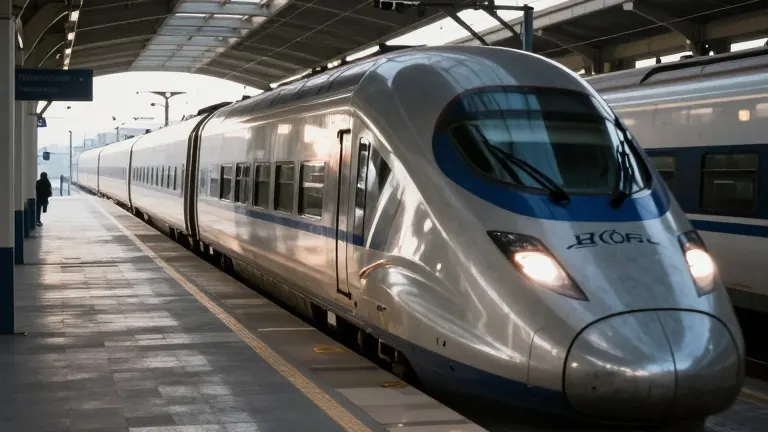
Sixty-nine people died Wednesday morning when a high-speed train collided with a stationary vehicle on the same track near Toledo. The accident occurred at 8:53 am, just hours before Spanish Prime Minister Pedro Sanchez declared optimism about the country’s future on social media. The crash has immediately altered the trajectory of the upcoming election, forcing the governing Socialist Party to pivot from social welfare issues to infrastructure accountability.
The collision involved a Madrid-to-Seville train that struck the rear of a stopped train. Officials identified a failure in the LZB train-control system, which has operated on that line since the 1990s. Transport Minister Oscar Puente described the network as reliable and safe while acknowledging the roles of equipment limits and human error. His comments failed to silence critics, including former Adif president Isabel Pardo de Vera, who questioned the pace of the transition to the newer European Rail Traffic Management System.
The incident has revived memories of the 2013 Angrois derailment, which killed 80 people. A January survey found that 57 percent of Spaniards believed rail services had deteriorated under Sanchez’s leadership, with nearly 60 percent expressing little confidence in the system. The Spanish high-speed network, a flagship public service carrying 45 million passengers last year, is now under intense scrutiny.
Conservative opposition leader Alberto Nunez Feijoo demanded answers from the government while ordering his Popular Party to suspend campaigning for two days. He stated that Spaniards are asking tough questions that require responses. In contrast, far-right Vox leader Santiago Abascal rejected a pause, declaring on social media that the party would not maintain complicit silence. He accused Sanchez of criminal handling of affairs and vowed to work toward removing the current government.
The crash disrupted a campaign that had been building momentum around the housing crisis. In late September, images of an 87-year-old woman being evicted went viral, prompting Sanchez to call for snap elections. His team had prepared social policy initiatives to capitalize on this anger. Analysts say the accident has handed the opposition new grounds to challenge the government’s competence, forcing the Socialists into a defensive posture.
Sanchez’s party faces additional pressure from corruption probes targeting his wife and brother, as well as criticism over border security after 80,000 migrants entered Ceuta in July. The latest polls show the Socialists trailing the Popular Party. The Popular Party leads with 31.5 percent support, while the Socialists stand at 26.7 percent. Vox holds third place with 19.1 percent, positioning itself to potentially join a coalition with the conservatives.
Sanchez hopes to persuade an estimated 750,000 undecided left-wing voters to support his social agenda. However, the timing of the crash has complicated that effort. The government must now spend significant time defending its record and addressing accountability questions. The political framing has shifted dramatically, with infrastructure safety now central to the debate ahead of the November 29 vote.
Source: Al Jazeera