UN General Assembly votes on Cuba embargo resolution after Waltz and Rodriguez clash on floor
The 34th annual vote is expected to pass with 165 or more votes, but public friction between U.S. and Cuban officials has escalated.
By Sanjay Ivanov ·
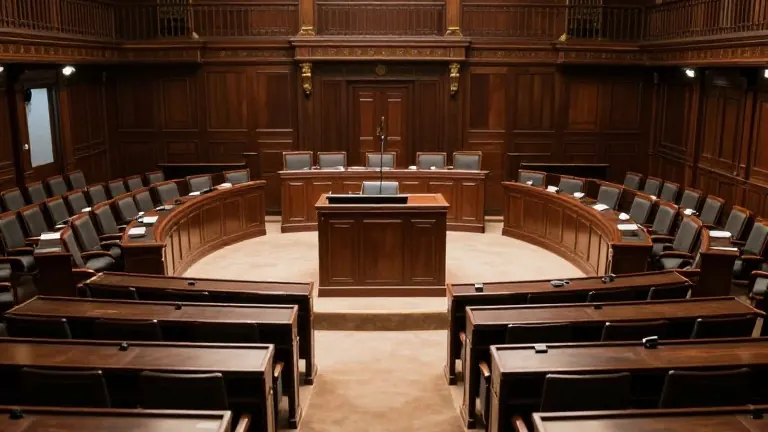
165 nations voted in favor of a resolution condemning the U.S. embargo on Cuba last year. The United Nations General Assembly will hold its 34th annual vote on Wednesday, October 28. The resolution is not legally binding but serves as a global measure of opinion on Washington's maximum pressure policy.
The vote is expected to pass by a large margin again. Last year, 165 countries supported the measure while seven opposed it and 12 abstained. Analysts are watching to see if the current administration's active campaign to influence the outcome will shift that tally. Western allies and other key states may join the opposition or abstention column, changing the numbers from previous cycles.
U.S. Ambassador to the United Nations Mike Waltz and Cuban Foreign Minister Bruno Rodríguez faced each other on the chamber floor on Tuesday. The confrontation occurred during debates on the embargo resolution. Rodríguez walked down to the podium while Waltz was speaking. He called Waltz a liar and requested a point of order from the presiding officer.
Waltz responded as security personnel attempted to intervene. He told the Cuban minister, This individual needs to back away from this podium. He's not going to intimidate me in the United States of America. You understand who you're dealing with? This is America. Back up.
Rodríguez posted on X after the exchange. He stated that Waltz was at the United Nations, not at a national security meeting at the White House. He described the U.S. government's actions as a desperate attempt to justify economic aggression and a criminal energy blockade.
This public dispute follows a similar interaction one week earlier. Waltz and Cuban deputy foreign minister Ernesto Soberón Guzmán clashed outside a U.S. hosted panel. That panel featured Cuban dissidents and former prisoners who detailed allegations of oppressive government behavior. The recent incidents mark a break from traditional diplomatic decorum at the world body.
The economic pressure on Havana has intensified under President Donald Trump. The Republican leader announced in late January that he would impose tariffs on any country selling or providing oil to Cuba. This policy has effectively cut off fuel to the island. Widespread power outages now affect cooking, water supply, internet, and telephone services.
Trump raised the possibility of military intervention last week. He said U.S. warships could stop in Cuba on their way back from the Iran war. The embargo dates to 1960, following Fidel Castro's revolution and the nationalization of U.S. properties.
Caribbean nations continue to face deepening financial crises. The annual UN vote remains a central arena for this dispute. The final tally from Wednesday's session will indicate whether global support for the resolution holds steady against the backdrop of rising tensions.
Source: ABC7 Los Angeles