Russians and heat waves drive new UK pantry rules
New government advice has prompted shoppers to buy tinned goods, water, and batteries ahead of potential disruptions.
By Daniel Bernard ·
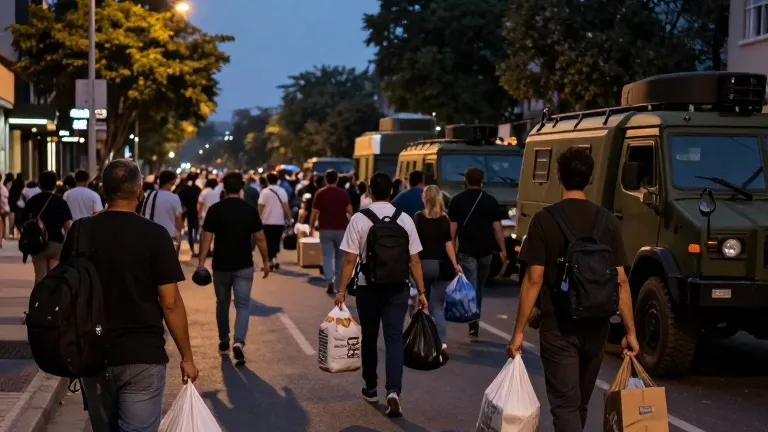
The government launched a campaign on Thursday, October 22, urging UK residents to keep enough food and water for three days. The move responds to warnings about Russian state-sponsored terrorism and climate risks. Many households are already adjusting their weekly shopping habits to meet this new standard.
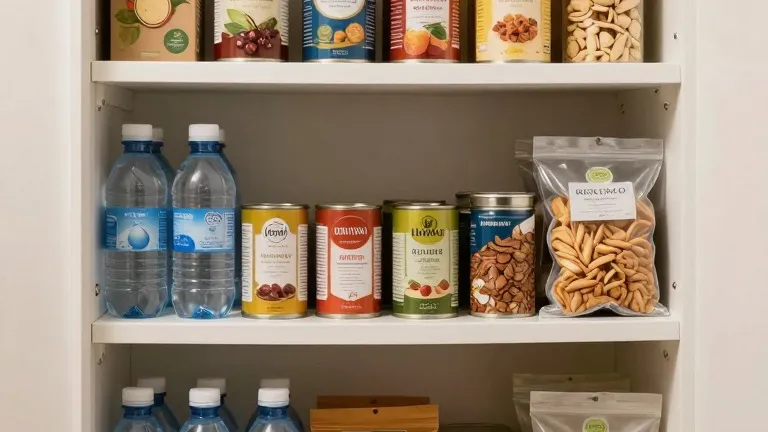
Lawrence Barratt in Hythe, Hampshire, began preparing two weeks ago. He adds tinned beans, soups, and rice to his grocery trips. He is also buying bottled water and keeping a first aid kit. His goal is to supply two people for three days. He uses a portable power bank that can charge phones and run a small fan heater. He said the Be Ready website made him feel unprepared for any crisis.
In Greenwich, London, Marco Camurri is building a larger reserve. His list includes pasta, passata, stock cubes, and medicines. He stores wood in his garden to boil water if needed. His family keeps power banks charged and maintains a fuel level that allows for about 300 miles of driving. They started this process months ago after reports of supply chain issues linked to El Niño. They now track expiry dates in a spreadsheet to rotate their stock.
Jack Davenport from North Shields cited similar reasons for stockpiling. He pointed to climate disasters, Russian threats, and outdated infrastructure. He believes the government aims to reduce long-term panic by treating these events as possible. He noted that several generations have not faced the kind of hardship common before the war.
Not all residents agree with the advice. Deirdre O'Sullivan from Leicester called the guidance daft. She compared it to 1970s nuclear attack instructions. She argued that a genuine emergency would likely last longer than three days. She also said the advice lacks precision regarding drinking water risks.
O'Sullivan described the policy as a way for ministers to show they have a plan in place. She used a reference to the television show Yes Minister to describe the policy as useless. The campaign continues as more families add staples to their pantries.
Source: The Guardian