New Yalu Bridge Opens Direct Road Link Between North Korea and China
Kim Jong-un crossed the 3km structure to mark the anniversary of the 1950 war, establishing a permanent land corridor to Beijing.
By Nikhil Petrov ·
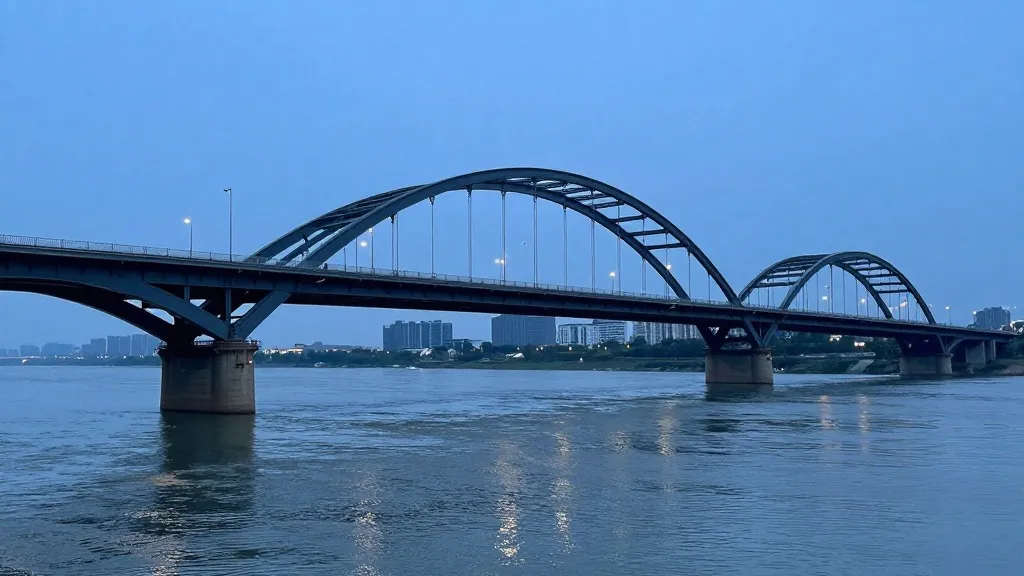
The North Korean leader traveled to the Chinese border city of Dandong on Saturday to cross the newly completed New Yalu River Bridge. This trip marks the first time Kim has used the structure, which connects his country directly to China by road. The infrastructure change provides a permanent physical link between Pyongyang and Beijing that was previously absent.
South Korea's unification ministry and China's Xinhua news agency confirmed the arrival. Kim met with Wang Huning, a member of the standing committee of China's Communist party. The two officials toured a local car factory and pledged to deepen bilateral ties. Xinhua reported that Kim stated North Korea is prepared to work with China to expand practical cooperation and provide tangible benefits to both populations.
Wang accompanied Kim to the bridge to see him off, according to the state news agency. The timing of the visit coincides with the 25 October anniversary of China's first major victory in the Korean war. That military success occurred in 1950, shortly after Chinese troops entered North Korea. The proximity of the visit to this historical date suggests an intent to reinforce the alliance's historical foundation.
Japan's Kyodo news agency reported that traffic controls were implemented around the bridge and a nearby museum dedicated to the war. Hotel bookings in the area were also restricted. Diplomatic sources told Kyodo that these measures were tied to the visit by a senior North Korean official. Such logistical preparations indicate a high level of coordination between the two governments for the event.
The 3km bridge opened in mid-October. China completed the construction work in 2014, but delays on the North Korean side prevented its opening for 12 years. This new crossing follows the opening of a road bridge between North Korea and Russia in early September. That earlier project established the first road link across the short border between those two nations. As a result, Pyongyang now has direct road access to its two primary strategic partners.
This is Kim's sixth visit to China. His previous trip occurred in September 2025, when he attended a military parade in Beijing. He stood alongside Chinese president Xi Jinping and Russian president Vladimir Putin at that event. Xi visited Pyongyang in June, marking his first trip to the North Korean capital in seven years. These recent movements underscore the continued diplomatic activity between the three leaders.
Relations with South Korea have deteriorated during this period. Kim's sister, Kim Yo Jong, has issued approximately 10 statements criticizing Seoul since late September. South Korea's unification ministry described this frequency of communication as unusual. She also announced plans to resume loudspeaker broadcasts at the border within days. These actions contrast with the cooperative tone of the recent visits to China and Russia.
The APEC summit is scheduled to be hosted by Xi in Shenzhen on 18 and 19 November. This upcoming event has generated speculation about a potential meeting between Kim and US president Donald Trump. However, Reuters reported on Friday that US and South Korean officials see little chance of such a meeting taking place this year. The diplomatic landscape remains focused on the Asia Pacific region ahead of the summit.
Source: The Guardian