Detroit Three Face $4 Billion in Rising Costs
GM and Ford each project a $2 billion hit from chips and fuel, while Stellantis warns of industry-wide pressure.
By Nikhil Petrov ·
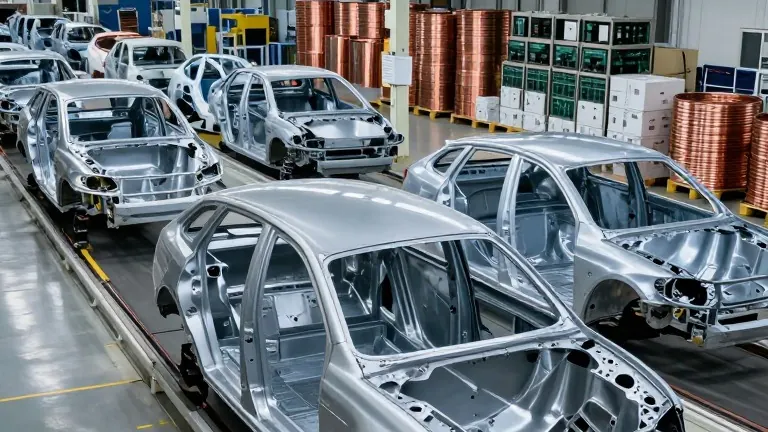
Automakers in Detroit are reporting strong sales figures but warning that the cost of building vehicles is climbing. General Motors, Ford, and Stellantis all saw revenues rise in the third quarter, yet they face higher expenses for materials and logistics. These rising costs are squeezing profits for the industry's largest players.
General Motors reported a revenue increase of 2.9% for the year, while Ford saw a 2% rise and Stellantis reported a 1% gain. These numbers reflect continued consumer demand for trucks and larger vehicles. GM’s light-duty truck sales rose 9%, and Stellantis saw U.S. pickup sales jump 34%.
The primary driver of increased costs is the price of key components. Computer chips, steel, copper, and diesel fuel have all become more expensive. GM’s CFO Paul Jacobson stated that material and diesel costs could reduce company profits by as much as $2 billion this year. Ford CEO Jim Farley gave a similar estimate, noting that commodities and logistics costs represent a $2 billion headwind for the company.
Fuel prices are a major factor in these rising expenses. The average price of a gallon of diesel has hovered around $6.35, near its September high. This affects the cost of shipping parts across the border between the U.S. and Canada, as well as the energy required to run factories. Ford CFO Sherry Ann House noted that higher fuel prices are impacting freight and energy costs, though customer demand for trucks has remained steady.
Tariffs have added to the financial burden since 2025. The Trump administration imposed additional duties on imported steel, aluminum, and copper. GM is currently paying about $2.5 billion in tariff costs, a figure that is lower than earlier forecasts due to some refunds. Stellantis CEO Antonio Filosa described the higher prices for memory chips and raw materials as an industry-wide phenomenon that companies must navigate.
The shift toward electric vehicles has also impacted the bottom line. The $7,500 federal tax credit for EVs expired on Sept. 30, 2025. Following that deadline, EV sales dropped nationally. GM reported a 6% decline in overall third-quarter sales, partly attributed to the smaller EV market. However, hybrid sales have surged by 27% in the past year as consumers seek alternatives to high gas prices.
Tesla is regaining market share in the U.S. EV sector. Almost 52% of new EV sales in the country have been Teslas this year, according to Edmunds. This represents a shift from 2024 and 2025, when Tesla lost its lead. Tesla’s global sales fell during the quarter compared to the previous year, but its domestic position has strengthened. The company is now focusing heavily on new technologies like robotaxis and humanoid robots, with capital expenditures nearly double what they were last year.
Source: KPBS
More Business · Scam Watch · Report a business · Got a Story?