Baghdad Blame Game: Iraqi Officials Suspect Israeli Airpower Behind Militia Depot Strikes
Baghdad officials believe recent explosions at militia storage sites were caused by Israeli operations targeting Chinese-made air defense systems, a claim that suggests a new phase in the regional conflict.
By Sanjay Ivanov ·
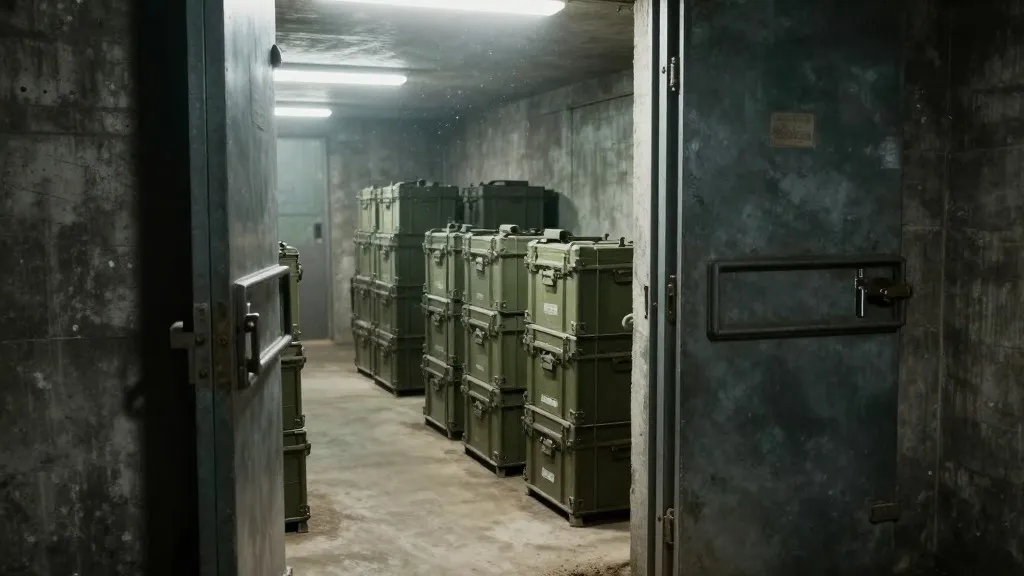
Baghdad officials have concluded that the recent series of explosions at two storage facilities in Iraq was the work of the Israeli military. According to sources cited by the London-based newspaper Asharq Al-Awsat on Saturday, the targeted locations held shoulder-fired air defense systems of Chinese origin. These weapons were reportedly supplied by Tehran to Iranian-backed militias operating within Iraqi territory.
The details provided in the report remain somewhat opaque. Specifics regarding the exact model of the air defense systems were not disclosed, and the publication acknowledged that certain aspects of the account could not be fully verified. However, one source indicated that the armed group responsible for selecting the storage sites had chosen locations they deemed extremely difficult to detect or reach. The suspected strikes occurred shortly after these shipments arrived at the two destinations.
The timeline of these incidents places them in the recent past, with the main strikes occurring last week. This event followed a separate explosion on October 17 at a base belonging to the Popular Mobilization Forces, or PMF. The PMF is an umbrella organization that includes many Iranian-backed militias and also functions as a paramilitary force under the Iraqi government. Officials at the time described the blast as an accidental event and promised a formal investigation.
The October 17 incident reportedly affected a stockpile of obsolete ammunition at a headquarters located in the East Canal area of Baghdad, resulting in five injuries. An anonymous Iraqi official stated that authorities were still examining the circumstances. However, the newspaper noted that more than a week had elapsed since the event without any significant updates on the findings of that inquiry.
Other sources connected the mid-October blast to an earlier incident on October 1. During that event, warehouses linked to Iran-backed groups in and around Baghdad were reportedly affected. These facilities reportedly stored drones designed for both suicide attacks and reconnaissance missions. A security official told the outlet that while Iraqi authorities had not definitively determined the nature of the strikes, they possessed enough evidence to attribute the attacks to Israel.
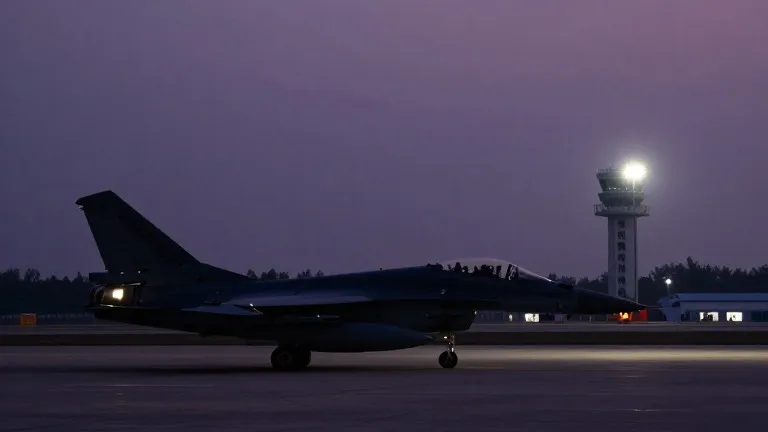
This attribution would not be the first time Iraqi officials have pointed toward the Jewish state. Iranian-backed militias previously blamed Israel for strikes in 2019 and for a specific attack in Albukamal, Syria, which is near the Iraqi border. In May of this year, The Wall Street Journal reported that Israel had established a secret airstrip in Iraq during its campaign against Iran. Asharq Al-Awsat also highlighted conflicting and unconfirmed reports of Israeli fighter jets traversing Iraqi airspace near the Iranian border, with support from midair refueling tankers.
The broader context involves years of Iran arming Iraqi militias with missiles and drones capable of threatening Israel. These groups conducted numerous attacks on Israel following the start of the war on October 7, 2023. Since the United States and Israel began airstrikes in February, Iran has attempted to turn Iraq into a frontline in the conflict. The country has carried out more than 1,000 strikes on the Kurdistan Region using drones and missiles. Additionally, Iran and its allied militias have mounted 600 attacks across Iraq, some of which targeted US diplomatic sites. The US withdrew its forces from Iraq on September 30, a deadline agreed upon with Baghdad over previous years, and has advised Americans to avoid traveling to Baghdad.
The newspaper suggested a link between earlier reports of China supplying weapons to Iran and the movement of those same systems into Iraq, though it described this connection as unconfirmed. China's Foreign Ministry denied those supply reports on July 28. In a related development, an Iran-backed militia attacked Saudi Arabia's East-West Pipeline with a drone, reportedly launched from Iraq's Maysan province near the Iranian border. That crossing has since been closed due to US pressure and Iraqi concerns regarding trafficking.
Asharq Al-Awsat concluded that these strikes signal the beginning of a new round of conflict, even though the original incidents date back to early and mid-October. A source within the Shi'ite Coordination Framework stated that ruling party leaders had spent weeks predicting that renewed war between Washington and Tehran would begin with the total destruction of the Iraqi factions' capabilities. Most major groups within the PMF, with the exception of the Badr Organization, have been sanctioned by the US as terrorist organizations. Meanwhile, the Islamic Resistance in Iraq, a coalition of militias that has attacked both Israel and the US in the past, published a statement claiming that Iraqi airspace was being violated.
Source: The Jerusalem Post