Why fans keep asking whether the music they hear is real
Artists from Twisted Teens to Mandy, Indiana are pushing raw, confrontational sounds as recordings made by AI and manufactured identities spread across 2026.
By Sanjay Ivanov ·
Caspian Hollywell of the New Orleans band Twisted Teens belts a single question through a 2026 song titled "Is it real?" He sings about a vision of salvation, or maybe the need to go back on his meds, in a voice that is disheveled, joyous, pleading and insistent. The record asks whether the feeling a song delivers can be trusted, which is the question listeners are running into each week when they open a streaming service or a record shop.
Scams and fabrications keep surfacing. The list includes emerging stars accused of plagiarism or nepotism, viral chart results that turn out to be rigged, invented musical identities, counterfeit vinyl, and a video in which The Rolling Stones de-age themselves. Mainstream pop still packs stadiums and playlists while these stories accumulate, and Hollywell offers a line he has used with an interviewer: "You can like us or you can hate us, but you can't say we're not real."
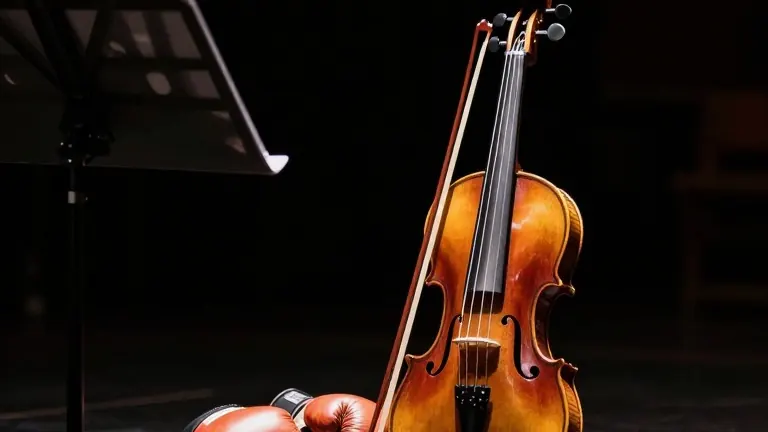
A group of bands is answering with loud, handmade work. Twisted Teens and Westside Cowboy play punky retro garage, Mandy, Indiana handles noise rock, underscores makes self-dismantling hyperpop, and GENA plays jazz-funk that oozes. These artists are drawing the strongest critical attention this year in part because they are working against the pull of machine-generated music.
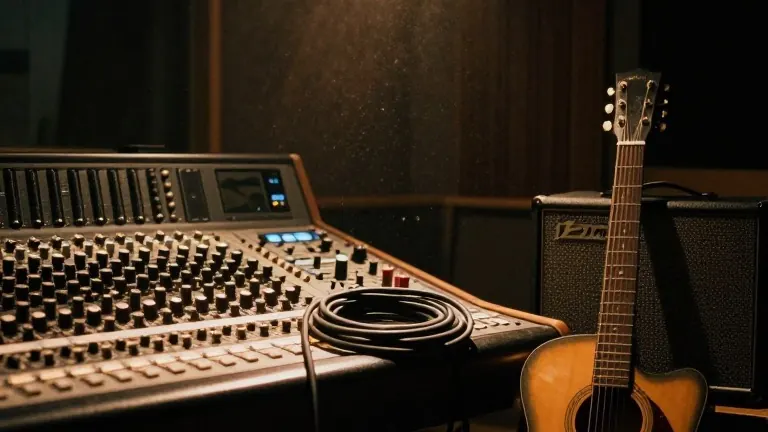
The argument has a long history. Ry Cooder recorded "Bop Till You Drop" in 1979 with Chaka Khan among the guests, and it became the first album by a major-label artist made on a computerized system that produced sound cleaner and more precise than analog tape. Cooder liked the accuracy but later said the transferred product came out "thin" and "cold."
In the early 1990s, the session singer Yvette Marine said Paula Abdul and her producers built a composite voice on "Opposites Attract" by blending Marine's guide vocal with Abdul's own. Marine sued and lost. The critic Simon Reynolds wrote in The New York Times that he would defend Abdul as a star devoted to showbiz, while calling her music "louder than life but lacking in resonance."
Hugh Barker and Yuval Taylor, in their 2007 book "Faking It," set out three tests for authenticity. Representational authenticity asks whether an artist performed or composed a work under their name, the question that surrounded Milli Vanilli. Cultural authenticity asks for verifiable ties to communities or legacies, and personal authenticity asks whether a confessional song draws on the artist's own experience.
Earlier generations met their own versions of this. In 1929, the Christian Science Monitor correspondent Volney D. Hurd asked listeners to accept radio broadcasts as a true miniature of an event and to seek live performances when they could. In 1972, the Washington Post critic William C. Woods called the album and film versions of Woodstock both a treasure and a fraud, citing audio fidelity and the omissions that editing requires.
Digital tools and manufactured identities keep arriving, and the question stays open. Hollywell has used stage names including CPN, C-Bird and Cas P. Ian, and he has spelled his last name Holywell and Halliwell. He is asking, through a song, whether any of that makes the sound in front of him less real.
Source: KPBS