UW-Madison Students Target $100 Limit for Halloween Outfits
Students cite high national spending averages and environmental concerns as they turn to thrift stores and secondhand apps for costumes.
By Sanjay Ivanov ·
Students at the University of Wisconsin-Madison are setting a personal spending cap of $100 for Halloween costumes. This limit aims to avoid the high costs associated with new retail purchases and the environmental impact of fast fashion. Many students are turning to secondhand sources to meet this goal before the holiday weekend.
The National Retail Federation projects Americans will spend $13.5 billion on Halloween shopping in 2026. That figure works out to an average of $115.14 per person. Students on campus often view their options as binary: buy an expensive complete costume or assemble a look from multiple low-priced items on sites like Shein.
Hadley Wendorff, a senior, noted that social pressure drives spending. She said friends who invest in elaborate outfits create an expectation for others to do the same. "If your friends have a great costume you wanna have a great costume too," Wendorff said. Lily Myhra, a junior, estimates her own spending at $50 to $100. She sources her outfits from the secondhand platform Depop.
Matteo Rovera, also a junior, explained that peer influence leads to multiple purchases. He stated that while he typically wears one costume a year, he has bought three this year due to what his friends are doing. "There's fads for the year," Rovera said. None of the three students interviewed indicated a willingness to spend more than $100 for the weekend.
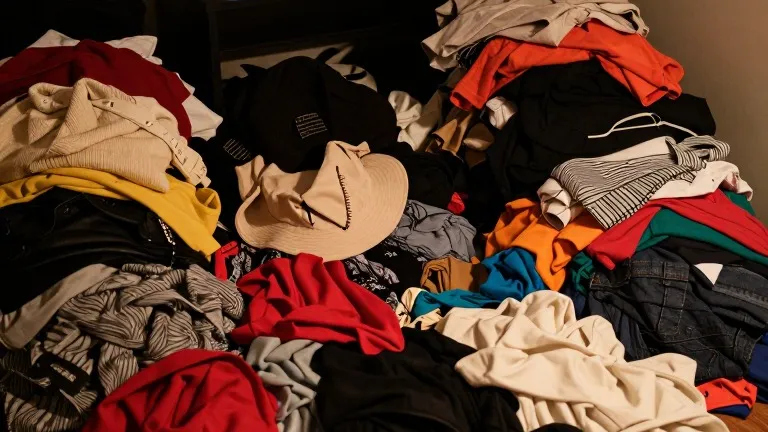
The push toward lower spending aligns with concerns about the fashion industry. Fashion production accounts for 10% of global carbon emissions. Additionally, 85% of textiles end up in landfills annually. A costume worn for one night and then discarded fits directly into this cycle of waste.
Students suggest several methods to stay under budget. These include shopping at thrift stores, using apps like Vinted or Depop, and checking Facebook Marketplace. Some recommend borrowing pieces from friends or digging through family closets. Others advise buying items that can be reused for future outfits or daily wear.
Retailers like Amazon, Spirit Halloween, and Shein continue to offer low prices and fast shipping. However, students are increasingly avoiding these outlets to reduce their reliance on fast fashion. The goal is to find costumes that cost less and leave a smaller environmental footprint, whether the character is from a popular TV show or an internet meme.
Source: The Daily Cardinal