The €14.70 Menu: Spain’s Daily Lunch Faces Economic and Cultural Headwinds
A new book argues the traditional set-price meal is fading, yet 4 million are still served daily across the country.
By Nikhil Petrov ·
Spain’s daily set lunch, known as the menú del día, is under pressure. While the tradition persists, economic realities and shifting social habits are eroding its foundation. The meal, once a cornerstone of the working day, now faces competition from fast food and changing consumer expectations. A new book by food journalist Lakshmi Aguirre examines this decline, arguing the institution is in trouble but not yet extinct.
The menú has served approximately 4 million customers on any given weekday. In 2009, chef Ferran Adrià declared the tradition dead, citing economic downturns and the rise of bistro-style restaurants that charge €20 to €30 for comparable portions. At the time, the criticism seemed prescient, but seventeen years later, the daily set meal remains a staple for millions. The format typically includes a starter, a main course with a side, and a choice of dessert or coffee, with bread and a drink included in the fixed price.
The origins of the menú are less romantic than many assume. It began in the mid-1960s as a tourist menu designed by Manuel Fraga, the information and tourism minister under dictator Francisco Franco. The regime aimed to showcase food abundance and affordability to foreign visitors following the post-civil war "years of hunger." Regulations required establishments to serve a soup starter, a main course of egg, fish, or meat with a side, and a fruit, sweet, or cheese pudding. Prices were fixed between 50 and 250 pesetas, and the included quarter-litre of wine had to be pure, clean, and at least 12% alcohol.
In the early 1970s, the menu was renamed to distance it from its tourist roots and encourage local consumption. Today, many Spaniards are unaware of this history. Aguirre noted that during her research, many people expressed shock upon learning about Fraga’s role. She described the reaction as a reflection of how quickly Spaniards forget their history. She views the menú as a mirror of Spanish society, noting that nostalgia for the format is growing as its prevalence wanes.
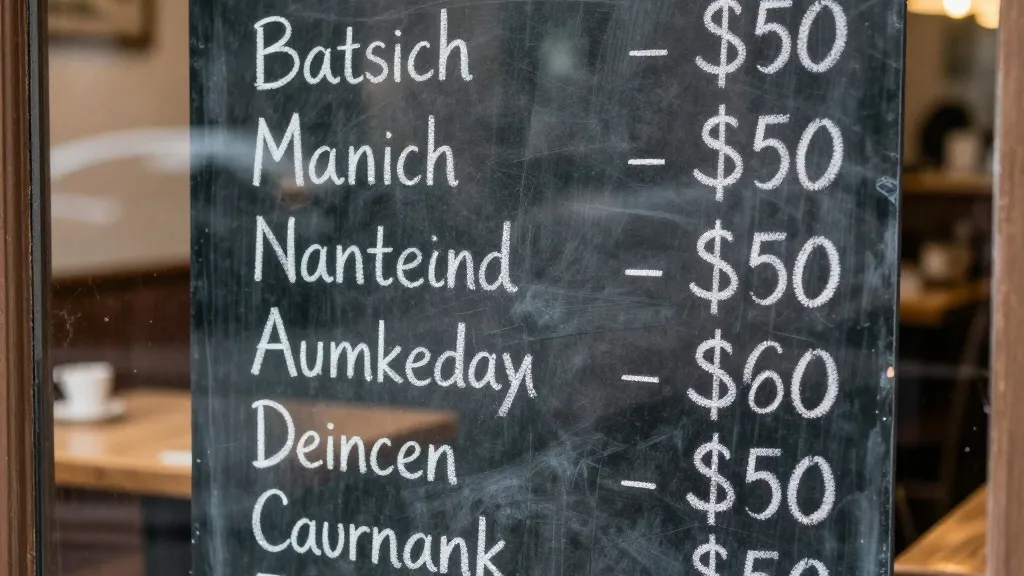
The current average price for a menú is €14.70. Rising energy and food costs make it difficult for family-run restaurants to maintain rotating daily options. Many have simplified their offerings to a single "dish of the day," while others have incorporated Latin American staples to reflect the country’s changing demographics. Aguirre accepts these changes, stating that the menú has always evolved to mirror the society that eats it. For her, a good venue serves simple dishes, features a changing menu, and avoids trendy ingredients like avocado or burrata on the chalkboard.
Aguirre argues that the loss of the menú represents more than just the disappearance of a cheap meal. She describes it as a meeting point where families with limited means can dine out and individuals living alone can find company. The true value, she says, lies not only in affordability but in the time afforded to enjoy the food. The tradition continues, but its future depends on whether restaurants can adapt to higher costs without losing the simplicity that defined the original 1960s model.
The next chapter for the menú will be determined by whether small businesses can sustain the format amid rising operational expenses. For now, the chalkboards remain, and the meals continue to be served, but the pace of change is accelerating. The cultural weight of the daily set lunch is shifting from a default habit to a deliberate choice, a move that has not yet been fully quantified in national consumption data.
Source: The Guardian
More Culture · World news · Report a business · Got a Story?