M-Vave opens FM-1 synth code
The company released an SDK and open firmware after hobbyists modified the $59.72 device.
By Nikhil Petrov ·
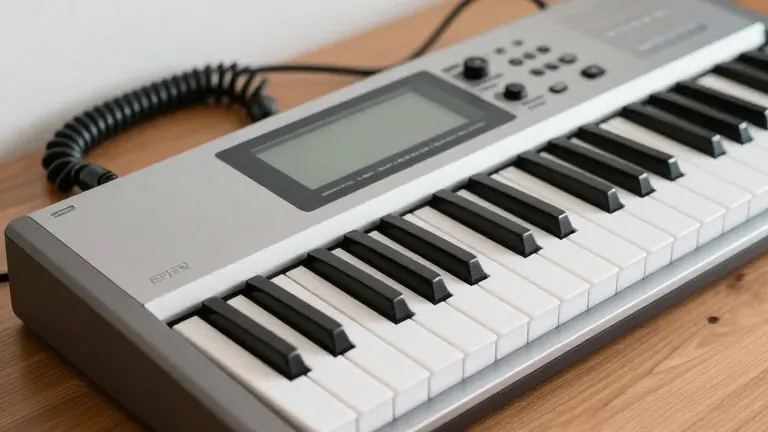
M-Vave released FM1 Open on October 17, turning its budget synthesizer into a platform for custom development. The package includes a software development kit and a browser-based workbench for building new applications.
The FM-1 launched as a low-cost alternative to the Yamaha DX7. The hardware costs $59.72 after fees and features 27 physical piano keys. A small 1.54-inch TFT display sits above the keyboard.
Enthusiasts began modifying the device before the official release. Users on the r/synthdiy subreddit reverse-engineered the stock firmware in July. By September, custom firmware projects started appearing online.
The community moved quickly. As of late October, more independent firmware projects exist for the unit than the manufacturer could cover in a single review. One popular modification allows the device to run the video game Doom.
M-Vave took a different path than typical hardware companies. Instead of waiting for users to crack the system, the company embraced the changes. The application source code is now published under the GPLv3 license.
The release includes version 15 of the stock firmware. This version acts as an open base for new builds. An in-browser emulator lets developers test code before installing it on the physical hardware.
The synth engine remains closed. The core binary that generates sound is not open source. Only the application layer above that engine is open. This structure allows for new interfaces and functions while keeping the original sound generation intact.
Source: Ars Technica