100 Years Old: Attenborough Narrates New Blue Planet Series
The new BBC nature documentary relies on gritty, unpolished visuals to prove its authenticity in an era dominated by artificial intelligence.
By Khalid Rahman ·
David Attenborough is now 100 years old, and he is still at the center of a major television project. The veteran narrator has returned for Blue Planet III, the latest installment in the BBC’s long-running nature franchise. His involvement marks a significant milestone for the series, which is arriving at a time when audiences are increasingly skeptical of what they see on screen.
The new series is set to debut on BBC1 and iPlayer on Sunday, November 1. It follows the original Blue Planet from 25 years ago and the highly acclaimed Blue Planet II, which launched almost a decade ago. That previous installment brought global attention to plastic pollution in the oceans. The latest chapter promises to expand on that legacy with a focus on animal behavior and advanced filming technology.
A key strategy for the production team was to intentionally keep the footage looking rough. In the past, editors would have removed shots that contained too much plankton, visible boats, or poor water clarity. This time, the team is leaving those details in place. Executive producer Elizabeth White explained that the rise of AI makes the team want to appear even more authentic. She noted that the deep ocean animals are so remarkable that they are likely more interesting than anything AI could currently imagine.
Jack Bootle, the BBC’s head of specialist factual commissioning, gave a specific assurance to journalists at a press screening. He stated that no generative AI was used in the series, not even for a single frame. He described the show as part of a golden age of natural history making that is full of novel behaviors. This stance is a direct response to the growing prevalence of AI-generated imagery in media.
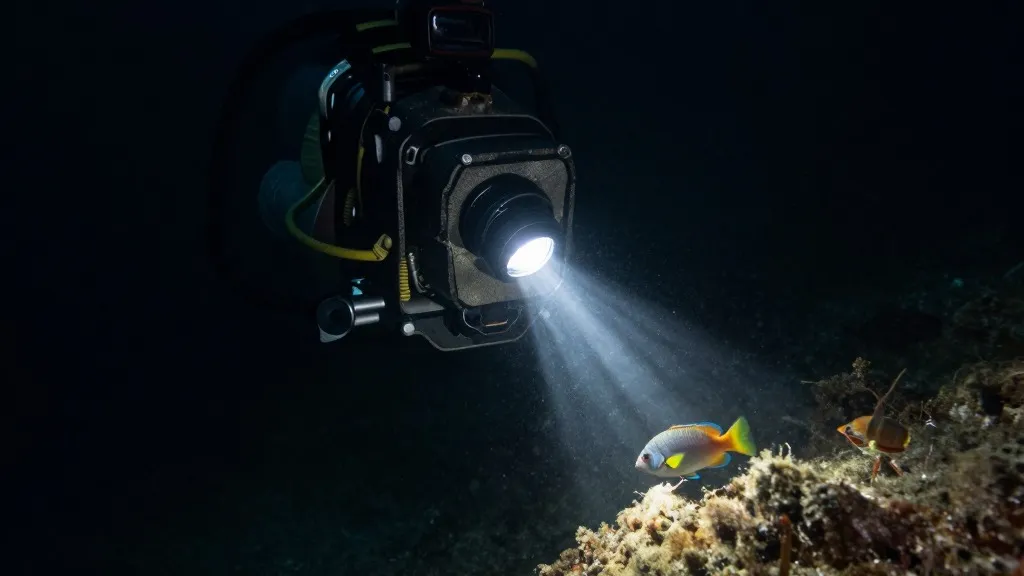
The series features several unique sightings captured over a four-year filming period across five oceans. One notable sequence shows dolphins using sea sponges to block holes in coral reefs to trap fish. This behavior was recorded using a new underwater CCTV camera nicknamed the stonefish cam. Other scenes include a grouper communicating with a different species of fish and 200,000 crabs lining up in formation to feed.
The production team also developed new tools to capture these moments. They built a mini-dome camera to follow an octopus and created a deep-sea selfie stick. Camera operators wore leg-mounted scooters to film immersive diving footage that resembles social media content. Lasers were also employed to illuminate deep-sea animals. This technological push is part of the BBC Studios natural history unit's commitment to innovation.
The narrative continues to address environmental threats. One episode details how warmer seas caused by the climate crisis are killing sea anemones, which are homes for clownfish. The fish are shown attempting to repair these damaged habitats. The series also maintains the focus on pollution established in the second series, specifically looking at forever chemicals. Elizabeth White confirmed that the plastics theme remains a central element of the story.
Regarding the production process, series producer Lara Bickerton said the team continually innovated to save costs. They used more local crews on location than in previous series, which helped manage the budget. This approach was part of a broader cost-cutting drive across the BBC, though White declined to comment directly on how this might affect the unit's reputation. She did note that Attenborough remained very much involved in the project, making changes to scripts and showing excitement for new footage.
Source: The Guardian