Brazilian Run-Off: Shifting Labor Dynamics Confront Lula and Bolsonaro
Economic transformation in Brazil is altering voter loyalties as the presidential election enters its final stage.
By Isabella Morales ·
Brazil’s presidential election enters its decisive phase this Sunday, a contest heavily influenced by a fundamental shift in the nation's labor force. The political landscape is being redrawn as traditional industrial jobs give way to service sector roles and digital platform work. This transformation is creating a complex divide between the incumbent President Luiz Inácio Lula da Silva and right-wing challenger Flávio Bolsonaro. The outcome will depend on which candidate better connects with a workforce that no longer aligns with the old industrial model.
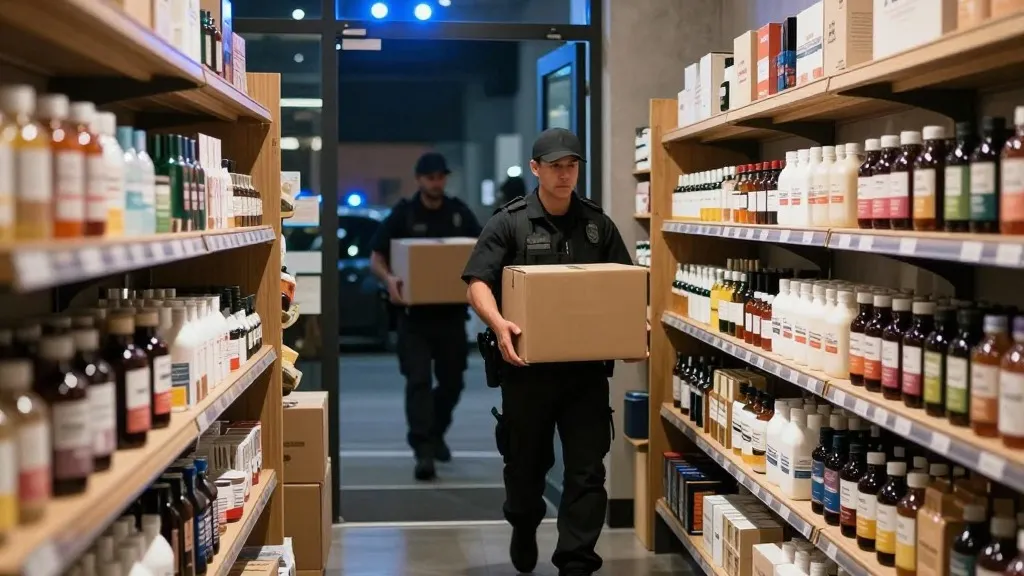
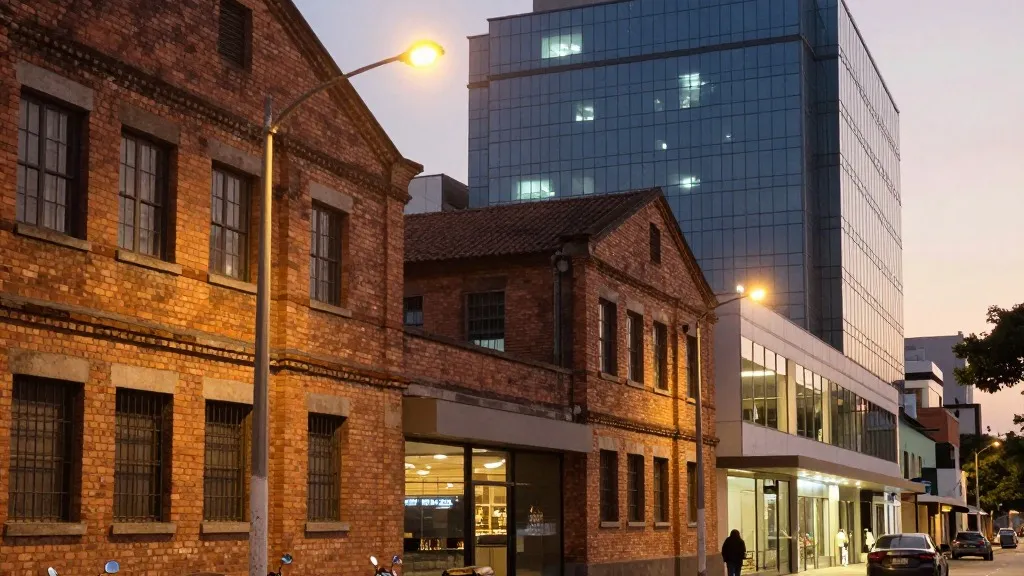
The city of Osasco illustrates this economic transition. Once a hub of heavy manufacturing, it is now known for its shopping malls and delivery app headquarters. Local union leaders note that metal, chemical, and textile factories have largely disappeared, replaced by retail spaces. Gilberto Almazan, a metalworkers' union head, describes the traditional labor movement as outdated. He argues that many workers now prefer the flexibility of gig economy jobs over the collective welfare structures that historically supported Lula's political rise.
Despite macroeconomic improvements, a sense of unease persists among voters. Unemployment has reached record lows, and Brazil was removed from the UN's Hunger Map during the current administration. However, citizens report feeling squeezed by high prices, household debt, and interest rates. Richard Lapper, a political biographer, describes this as a crisis of expectations. Voters like civil servant Robson blame government mismanagement for the tax burden, while others, such as hot dog seller Tairine, feel that conditions have not improved since Lula's return. This sentiment contributed to a high abstention rate in the first round, with 33 million people not voting.
Flávio Bolsonaro is campaigning on a platform of fiscal discipline, proposing cuts to government spending and ministries while retaining key welfare programs. He has faced accusations of corruption, which he denies, but his message resonates with voters seeking change. Evangelical churches are also playing a significant role in the election. Pastor Silas Malafaia, who is under investigation for allegedly obstructing the coup trial of his father Jair Bolsonaro, supports Flávio based on shared values regarding family and social issues. The church sector is increasingly providing direct social services to fill gaps in government support.
Lula's campaign is responding with large-scale mobilization efforts. Street rallies in major cities have drawn hundreds of thousands of participants, with aerial footage spreading widely online. The 80-year-old president is actively using social media to project energy, referring to himself as the king of selfies to counter claims about his age. His base remains strong among the poorest citizens. In Rio de Janeiro's Maré favela, Lula maintained support despite low turnout. Residents like Vitoria, a young mother, value his minimum wage increases and free medicine programs. She remains skeptical of Bolsonaro's plan to designate the Comando Vermelho gang as a terrorist organization, citing fears of violent police raids.
The election represents a critical test for Lula's political narrative. As the industrial working class shrinks, his traditional base is becoming smaller and more fragmented. Almazan fears that there will never be another Lula, highlighting the challenge of adapting to a new economic reality. The run-off will determine whether the incumbent can present a fresh vision for a post-industrial Brazil or if voters will embrace the promise of change offered by his rival. The final vote will reflect the balance between economic pragmatism and social identity in a rapidly changing society.
Source: BBC News