Apple ramps up iPhone Duo production to meet surge in orders
The tech giant has raised its one-year shipment target from 9.7 million to 14 million units after pre-orders sold out almost instantly.
By Natalia Campos ·
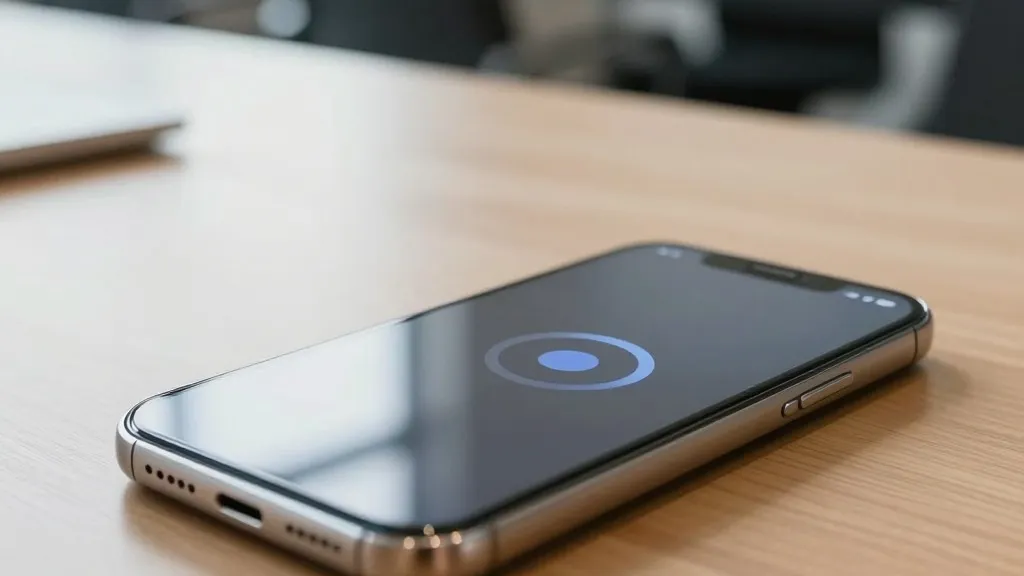
A sudden spike in consumer interest has forced Apple to significantly accelerate the manufacturing of its first folding smartphone. Supply chain reports indicate that the company has increased production orders by more than 40 percent. This move is a direct response to what Apple has characterized as extraordinary pre-order demand, which has led to immediate delays in delivery schedules for early buyers.
The timeline of events began on Friday when pre-orders for the iPhone Duo officially opened. Within minutes, customers noticed that their estimated delivery dates had shifted considerably. Some buyers reported seeing delivery windows pushed out to late January. Apple attributed these delays to the overwhelming volume of orders, a phrase the company has frequently used during previous new iPhone launches. To help manage the surge and prevent scalping, Apple implemented a limit of two units per customer.
Initial confusion arose over whether the slipping dates were due to high demand or insufficient supply. However, the latest reporting points clearly to strong demand as the primary driver. Following the launch, some early customers began receiving updated shipping dates that were earlier than their initial estimates. This shift aligns with a DigiTimes report based on supply chain sources, which suggests that Apple has begun ramping up production to keep pace with sales.
The company expects this strong demand to persist over the coming year. Consequently, Apple has boosted its shipment targets for the first 12 months from 9.7 million units to 14 million units. This substantial increase in production goals underscores the company's confidence in the long-term success of the new device. The adjustment in supply chain targets is a significant strategic move, reflecting a shift from a cautious launch to a more aggressive rollout.
While the hardware is in high demand, the software ecosystem is still catching up. Early adopters are currently dealing with third-party applications that have not yet been fully optimized for the device's new form factor. Apple states that the situation is improving rapidly as developers begin to adapt their software. This transition period is a common challenge for new hardware releases, but it remains a key consideration for users who rely heavily on specific apps for their daily routines.
Initial reviews from users who have had the device for about a week present a consistent perspective on its performance. App support is cited as one of the five key takeaways in these early assessments. Reviewers note that while the core functionality is robust, the experience is not yet seamless due to the ongoing software adjustments. The feedback highlights the balance between the innovative hardware and the maturing software environment.
Another point of discussion in the early reviews is the inclusion of Touch ID on the device. Some observers had expected the return of Face ID, making the decision to use Touch ID a notable design choice. However, recent reports suggest that Apple is already testing prototypes for the iPhone Duo 2 that feature Face ID. This indicates that the company is considering a return to facial recognition for future iterations of the folding phone, potentially addressing one of the current model's most debated features.
For readers in California, the implications of this production boost are tangible. With 14 million units targeted for the first year, the availability of the iPhone Duo is expected to improve as the supply chain scales up. The immediate delivery delays are likely to ease in the coming weeks as the increased production comes online. The shift from a limited launch to a broader rollout suggests that Apple is prepared to meet the sustained interest in its first folding smartphone.
Source: 9to5Mac